Illustrative scenario
Financing a Property with Development Upside in Langford
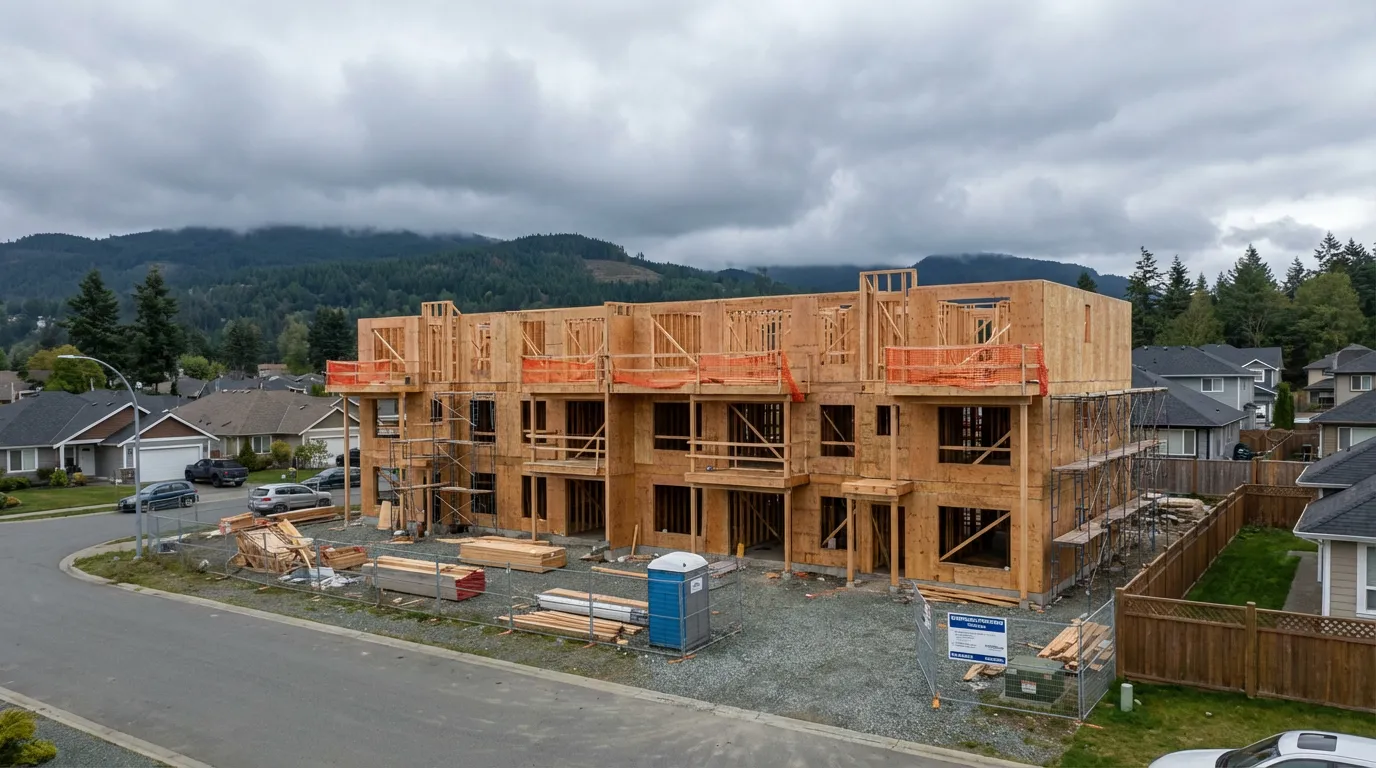
A buyer was purchasing a property in Langford with the intention of holding short-term and redeveloping into multiple units. The expectation was that financing would follow a standard residential purchase path.
This is an illustrative scenario based on situations that arise regularly when buyers acquire properties with development intent. Property specifics are generalised for clarity.
What They Expected
- A conventional mortgage would support the purchase alongside the development intent
- Future development potential would be weighted favourably by the lender
- Rental income from existing units could be used to improve qualification
- Construction costs could be estimated and controlled at the offer stage
What Actually Mattered
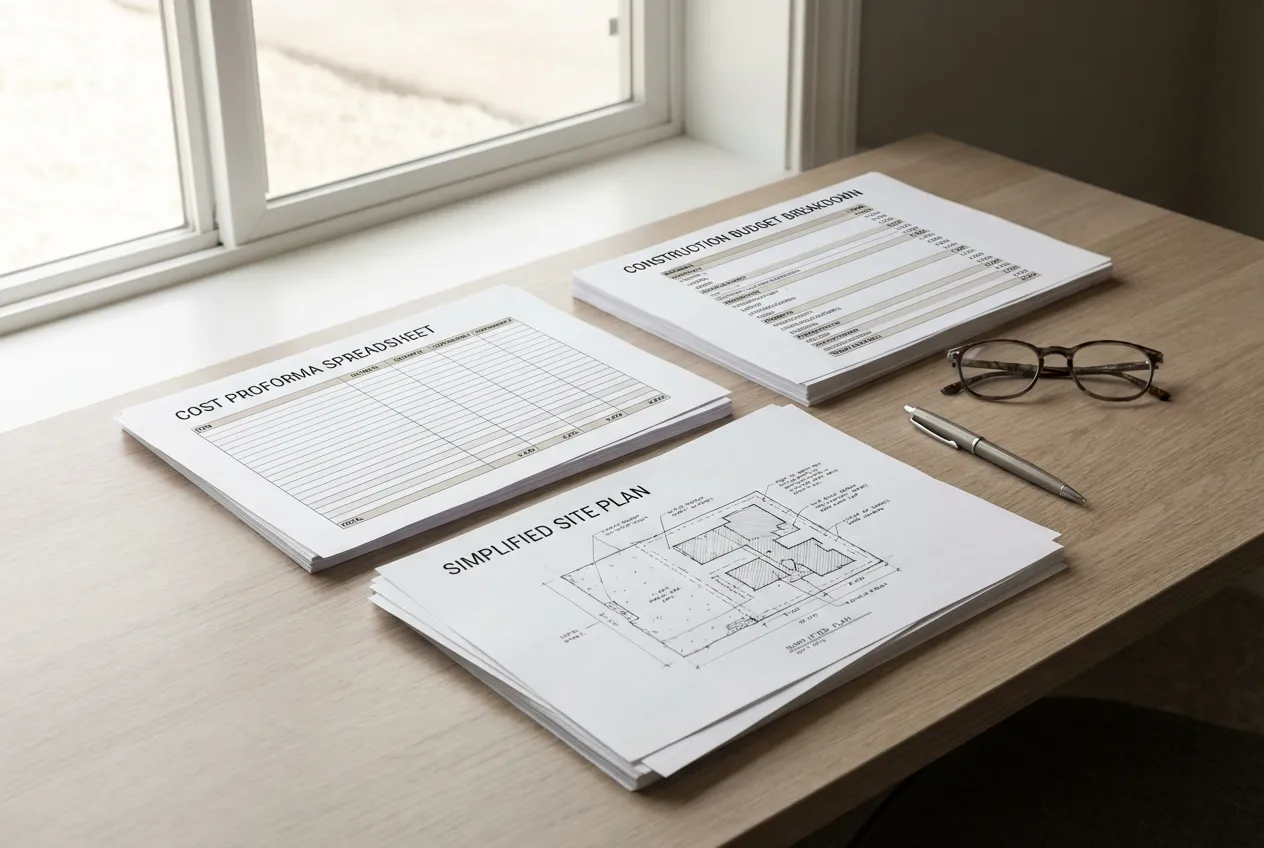
- Lenders required a complete and defensible proforma before advancing financing
- Development-oriented lending often carries a minimum projected profit threshold (typically 10 to 15 percent of total project cost) before a lender will advance funds
- Appraisals are based on current use, not future density potential: the as-is value drove the lending limit
- Fixed construction costs were difficult to secure at the pricing the buyer had assumed
- Fixed pricing from contractors, when available, came at a meaningful premium over open-book estimates
Where the Gap Showed Up
The disconnect was between how buyers think about development potential and how lenders assess development risk.
Without a complete proforma, the deal was treated as speculative. Future value and anticipated rental income were not weighted the way the buyer expected. The lender's starting point was always: what is this property worth today, and what are the verified carrying costs?
Construction uncertainty added another layer. As the project design became more specific, costs shifted. Fixed pricing from contractors was either unavailable at the planning stage or significantly higher than the open-book estimates the buyer had been using. Each cost revision directly affected project viability and lender confidence.
What the Outcome Looked Like
The project moved forward, but required restructuring at every stage:
- A different lender was needed: one with experience in development-oriented residential financing rather than a standard residential portfolio
- More equity was required than the buyer had initially planned to deploy
- The redevelopment timeline was extended to allow for proper cost certainty before construction began
The project remained viable, but only after the financing was rebuilt around verified numbers rather than planning-stage estimates.
Key Takeaway
Financing a development-oriented purchase in Langford is possible, but it depends on clear numbers, realistic cost assumptions, and the right lender from the start. Without a strong proforma and construction cost certainty, projects that look viable at the planning stage can quickly become marginal once the full picture is in view. Understanding what development potential actually looks like in Langford is the first step before any financing conversation.
The financing structure for a development-intent purchase is not the same as a standard residential mortgage. A mortgage broker who understands CRD development projects can help you structure the purchase correctly and identify which lender programs actually apply to your situation before you commit to an offer price.