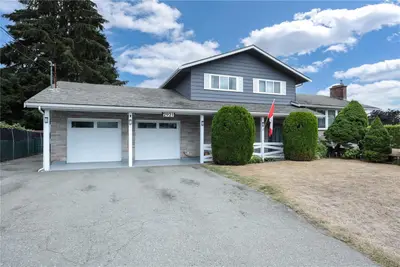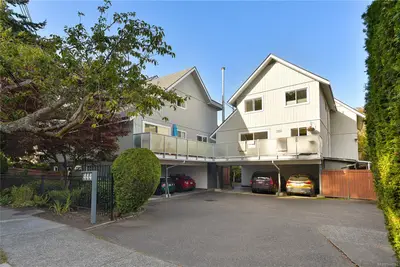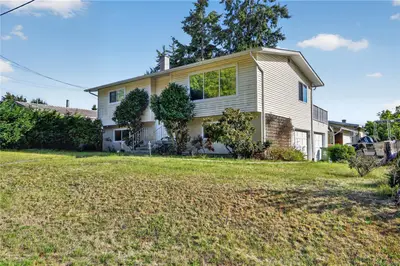
Selling a home in Greater Victoria requires more than just putting a sign on the lawn. In 2026's shifting market, preparation is everything. This guide gives you a detailed, week-by-week pre-sale timeline, from initial assessment through listing day, so you can present your home at its best and attract strong offers.
Victoria's 2026 Market for Sellers
Understanding where the market stands is critical to setting realistic expectations. In January 2026, the Victoria Real Estate Board recorded 339 sales, down 19.7% compared to the same month in 2025.[1] At the same time, active listings rose to 2,624, an increase of 9.6% year over year.[1]
The single-family benchmark price in the Victoria Real Estate Board area sits at $1,265,500.[1] More listings and fewer sales mean buyers have more negotiating power than they did in 2024, making your pre-sale preparation even more important. In this environment, the homes that sell fastest and closest to asking price are the ones that are properly prepared, professionally photographed, and competitively priced.
For a comprehensive overview of all your selling options, including flat-fee MLS and FSBO approaches, see our selling options guide for BC homeowners.
Before you decide how to prepare or price the property, request a Greater Victoria home valuation that considers the home and what the lot could support.
The 8-Week Pre-Sale Timeline
Great home sales do not happen overnight. Give yourself at least eight weeks of preparation before your target listing date to maximize your sale price.
Weeks 1 and 2: Assessment and Planning
- Walk through your home with fresh eyes, or better yet, ask a friend who will be honest about what they notice.
- Make a list of every repair, cosmetic issue, and maintenance item that needs attention.
- Get quotes from contractors for any significant repairs (roof, plumbing, electrical).
- Begin decluttering, starting with closets, storage areas, and the garage. Rent a storage unit if needed.
- Start gathering documents: property tax assessments, utility bills, renovation receipts, warranties, and strata documents if applicable.
Weeks 3 and 4: Repairs and Improvements
- Complete all identified repairs. Focus first on anything that would show up in a home inspection.
- Address cosmetic issues: touch up paint, replace worn hardware, fix sticky doors and squeaky hinges.
- Deep clean the entire home, including windows, carpets, and grout. Consider hiring professional cleaners.
- Tackle landscaping: mow, edge, prune, add fresh mulch, and plant seasonal colour at the entrance.
Weeks 5 and 6: Staging and Presentation
- Consider professional staging (more on this below).
- Depersonalize the space: remove family photos, personal collections, and anything that prevents buyers from imagining themselves in the home.
- Ensure every room has a clear purpose. If you have been using a bedroom as a storage room, reclaim it.
- Maximize natural light: clean windows, open blinds, replace dim bulbs with brighter ones.
Week 7: Photography and Pre-Marketing
- Professional photography is scheduled after staging is complete.
- Video walkthrough and drone footage are arranged for eligible properties.
- Your agent prepares the listing copy, feature sheets, and online marketing materials.
- Pre-marketing begins through agent networks and coming-soon channels.
Week 8: Go Live
- Your listing goes live on MLS, Realtor.ca, and all marketing channels simultaneously.
- Showing schedule is established. Keep the home show-ready at all times.
- Your agent manages inquiries, feedback, and offer coordination.
Improvements Worth the Investment (and What to Skip)
Not all pre-sale improvements offer the same return. Focus your budget and effort on changes that buyers notice and value.
High-Return Improvements
- Fresh interior paint in neutral, contemporary tones. This is consistently one of the highest-return improvements you can make.
- Curb appeal upgrades: a clean front entrance, fresh house numbers, a new mailbox, and seasonal plantings.
- Updated hardware: cabinet pulls, door handles, and light fixtures. Small details that signal a well-maintained home.
- Clean, bright kitchens and bathrooms: even without a full renovation, re-caulking, replacing a dated faucet, or adding under-cabinet lighting can transform the feel.
Skip These
- Major kitchen or bathroom renovations right before selling. You are unlikely to recoup the full cost, and your design choices may not match the buyer's taste.
- Swimming pools or hot tubs. In Greater Victoria's climate, these are often seen as maintenance liabilities rather than assets.
- Highly personal upgrades like elaborate home theatres or custom murals.
Professional Staging in Victoria
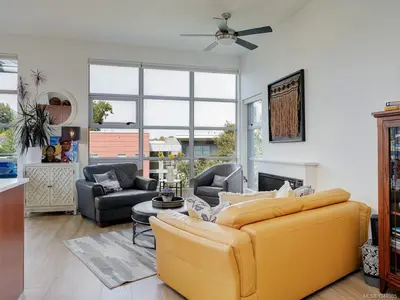
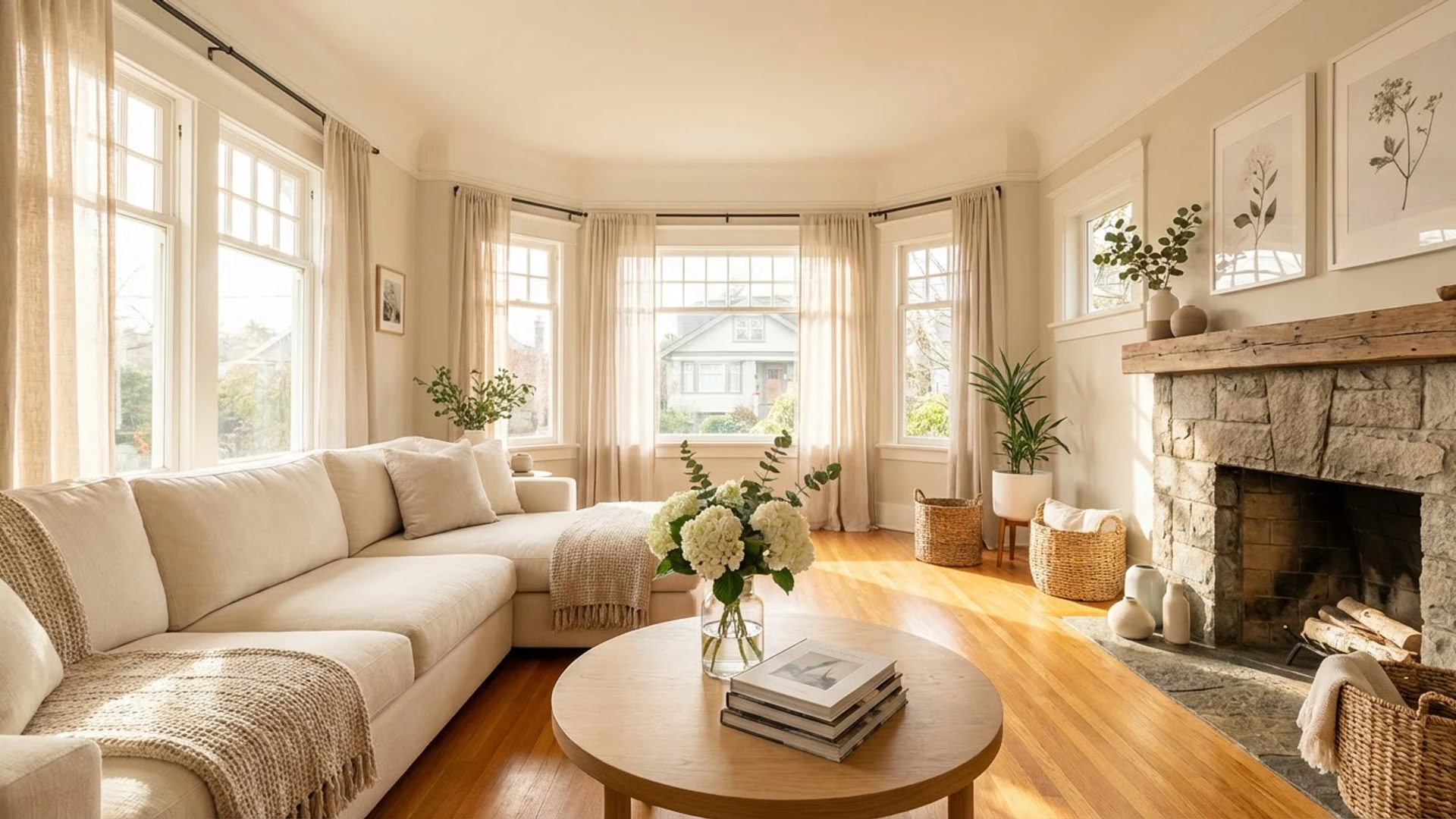
Professional staging transforms your home from a lived-in space into a showcase that photographs beautifully and appeals to the broadest range of buyers. Staging professionals understand how to arrange furniture, lighting, and accessories to highlight your home's best features while minimizing any weaknesses.
In Greater Victoria, staging costs vary depending on the size of the home and the extent of staging required. A consultation-only service (where the stager advises you on rearranging your own furnishings) is the most affordable option. Full staging with rental furniture is a larger investment but can be particularly effective for vacant properties or homes with dated furnishings.
Your REALTOR can recommend experienced stagers who know the Victoria market and can tailor their approach to your specific property and price point.
Pricing Strategy in a Shifting Market
Pricing is the single most important decision you will make when selling. In Victoria's 2026 market, with rising inventory and more cautious buyers, strategic pricing is essential.
Your pricing strategy should be grounded in a Comparative Market Analysis (CMA), a detailed review of recent sales, active listings, and expired listings for comparable properties in your area. A thorough CMA considers location, lot size, living area, age, condition, and upgrades.
Overpricing is the most common and most costly mistake sellers make. A home priced above market value attracts fewer showings, sits longer, and often sells for less than it would have if priced correctly from the start. In a market where active listings are up 9.6% year over year,[1] buyers have alternatives and will not overpay.
Photography and Marketing
The vast majority of buyers begin their home search online, which means your listing photos are your first, and sometimes only, opportunity to make an impression. Professional real estate photography is not optional, it is essential.
A skilled real estate photographer knows how to capture each room at its best angle, with proper lighting and composition. The investment in professional photography, along with a compelling property description, ensures your listing stands out in a crowded market.
Beyond photography, a comprehensive marketing strategy includes exposure on MLS and Realtor.ca, social media promotion, email marketing to agent networks, and in some cases, targeted digital advertising.
Your Legal Obligations as a BC Seller
BC law imposes specific disclosure obligations on sellers that you need to understand before listing.
Material Latent Defects
Under the Real Estate Services Rules, Section 59, sellers are required to disclose known material latent defects. These are defects that cannot be discovered through a reasonable inspection and that make the property dangerous or unfit for habitation, or that the seller knows would have been material to the buyer's decision.[2] Examples include known water intrusion, structural issues, or contaminated soil.
Property Disclosure Statement
The Property Disclosure Statement (PDS) is a standard form where the seller answers questions about the property's condition, history, and known issues. While completing a PDS is not legally mandatory in BC, it is strongly recommended by the BC Real Estate Association.[3] Providing a PDS demonstrates transparency and can reduce your exposure to post-sale disputes. Choosing not to complete one may raise questions in buyers' minds about what you might be concealing.
Working with Your REALTOR
A skilled REALTOR brings market knowledge, pricing expertise, negotiation skills, and a professional network that individual sellers typically cannot replicate. In a market with more inventory and pickier buyers, having an experienced professional on your side can make the difference between a smooth sale and a frustrating one.
For a complete walkthrough of the selling process, visit our seller's guide. If you want to understand all your options, including flat-fee and FSBO approaches, our selling options guide for BC covers every path available.
For more planning help, read our guides on the first step before selling, selling a house as is, the BC home selling process, selling a lot with development potential, and selling to a developer or listing on MLS.
Thinking about selling your home?
Get a free, no-obligation home evaluation and a personalized selling strategy for your Greater Victoria property.