Why People Move to the Island
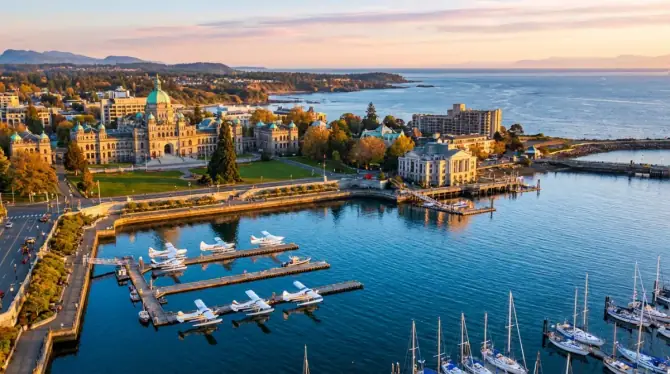
The most common driver isn't retirement — it's housing affordability combined with a quality of life calculus. A family that can't afford a detached house in Burnaby discovers that the same budget buys a four bedroom home with a yard in Langford or Saanich. Remote work made this viable for thousands of people who would previously have been tethered to Vancouver's office towers.
Retirees and semi retirees remain a major cohort, drawn by Victoria's mild winters (rarely below 0°C in the core), the absence of Metro Vancouver traffic, and an accessible medical system anchored by Royal Jubilee and Victoria General hospitals.
A third group — often overlooked in these guides — is investors and developers from the mainland who've watched Vancouver land costs become prohibitive and see opportunity in southern Vancouver Island's density landscape under provincial housing legislation (SSMUH, Bill 44, TOA zones).
For a detailed breakdown of monthly expenses, see our Victoria cost of living guide.
If you're specifically relocating from Metro Vancouver, see our dedicated Vancouver to Victoria guide with neighbourhood equivalents and price comparisons.
The Ferry: What You Actually Need to Know
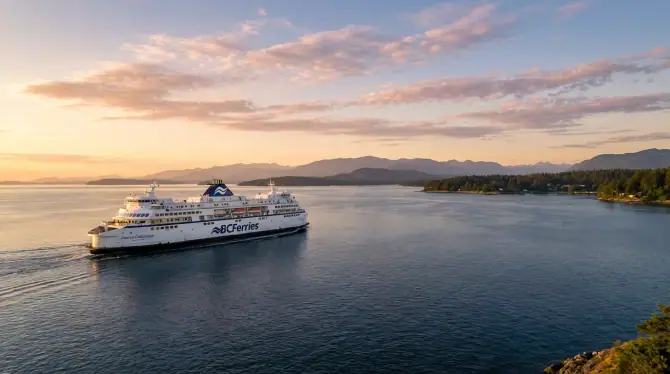
The Three Routes
Tsawwassen to Swartz Bay (the main route): 1 hour 35 minutes sailing, runs roughly every 1 to 2 hours from 7am to 9pm. This is how 90% of people with vehicles travel between Greater Vancouver and Greater Victoria. Swartz Bay is 30km north of downtown Victoria.
Tsawwassen to Duke Point (Nanaimo): 2 hours sailing, runs 6 to 8 times daily. Use this if you're heading to Nanaimo, Parksville, Courtenay, or points north. Duke Point is on the south side of Nanaimo, about 15 minutes from downtown Nanaimo.
Horseshoe Bay to Departure Bay (Nanaimo): 1 hour 40 minutes, runs every 2 hours. Better option from North Vancouver or if you're bypassing Vancouver. Departure Bay is central Nanaimo, closer to the city centre.
Booking and Wait Times
BC Ferries allows vehicle reservations for $17.50 per sailing (in addition to vehicle fare). During peak summer weekends (July to August) and long weekends, reserved sailings can fill weeks in advance. Unbooked vehicles may wait 2 to 4 sailings on busy days. Always reserve if you're moving a truckload or U-Haul.
Foot passengers and cyclists never wait — they board every sailing. The onboard experience is genuinely pleasant: a café, Pacific Buffet restaurant (on larger vessels), outdoor deck, and comfortable seating. Many commuters use the time productively for calls or laptop work.
Current vehicle fares (2025): approximately $65 to $75 for a standard vehicle and driver on peak routes. Frequent travellers can save with a BC Ferries Experience Card (prepaid discount card). Monthly and multi trip passes are available for regular commuters.
Air Alternatives
Harbour Air operates floatplanes from Vancouver Harbour (Coal Harbour) to Victoria Inner Harbour — 35 minutes, ~$150 to $200 one way. No luggage beyond a carry on size bag. Ideal for business travel or a quick house hunting trip without a car. Pacific Coastal Airlines flies Vancouver International (South Terminal) to Victoria International — 25 minutes. You'll need to get yourself to the airport, so total time is often similar to the ferry for city to city travel.
Buying Remotely Before You Move

The single biggest mistake remote buyers make is treating a property purchase like an online shopping transaction. They watch a 3D Matterport tour, look at Google Maps, and submit an offer without setting foot on the property. Sometimes this works out fine. Sometimes they discover the neighbour runs a body shop out of an adjacent lot, or that the "quiet street" backs onto a busy arterial.
The Video Walkthrough Standard
A thorough remote representation means a live video call walkthrough (not a pre recorded tour) where your agent narrates honestly: what sounds they hear, what the neighbours' yards look like, how the natural light actually moves through the space, what the street feels like at 5pm. Pre recorded tours are shot on wide angle lenses and bright days by motivated sellers. Live calls with an honest agent are different.
The One Trip Strategy
Most successful remote buyers do one focused trip: fly or ferry over for a long weekend (Thursday to Sunday), view 6 to 10 pre screened properties in person, and make a decision within that window. The pre screening happens before you arrive — you and your agent have already eliminated properties that don't meet your criteria through video calls, drive by reconnaissance, and neighbourhood research.
Victoria has strong inventory seasonality. Spring (March to May) brings the most listings but also the most competition. Late fall and winter have fewer buyers, and motivated sellers are more negotiable — properties that lingered all summer often see price reductions. Remote buyers who aren't in a rush often find better deals in January to February.
Subject to Inspection Clauses
Always include a home inspection subject clause, even in competitive markets. An inspection conducted by a qualified CAHPI certified inspector gives you an honest condition picture — particularly important if you haven't been inside the property yourself. Inspection costs run $400 to $600 for a typical detached home. This is non negotiable protection for remote buyers.
Choosing the Right Community
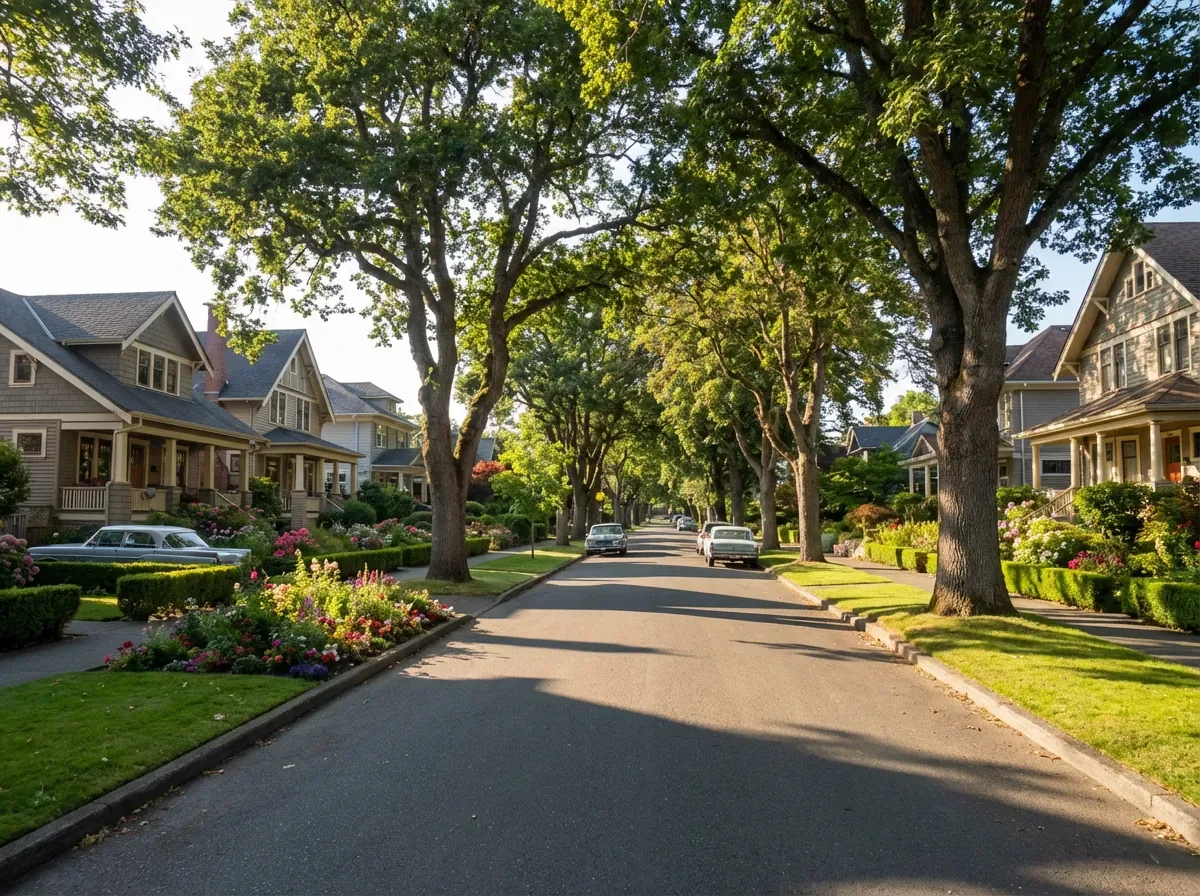
Greater Victoria is a mosaic of distinct municipalities, each with a very different character. Here's an honest comparison — not the tourist brochure version.
Victoria (City of Victoria)
The urban core. Walkable, bike friendly, dense in the inner areas (James Bay, Fernwood, Fairfield, Rock Bay). Old character houses on small lots. No property tax savings vs. suburban municipalities. Best for people who want to walk to restaurants, coffee shops, and work, and who don't need a yard. Victoria proper is expensive relative to other municipalities — similar intensity to the Saanich Peninsula premium areas.
Saanich (East and West)
The largest municipality by population. Established neighbourhoods, large lots (often 7,000 to 10,000 sq ft), mature trees, proximity to UVic and Camosun. Saanich East (Gordon Head, Lambrick Park, Shelbourne corridor) is popular with families and professors. West Saanich has more rural character. Strong schools. Mid to high price range for detached homes.
Langford & Colwood (Westshore)
The fastest growing area in CRD. New construction dominates — townhomes, duplexes, and single family developments on former farmland and forest. Best price per square foot in the metro. 20 to 30 minute drive to Victoria core (longer during rush hour on Highway 1). Great for families who want newer builds, yards, and value. Somewhat car dependent but improving with transit upgrades. Langford Centre is a proper town centre with groceries, restaurants, and services.
For families specifically, see our best family neighbourhoods guide with school ratings and live market data.
Oak Bay
Quiet, affluent, and very English in character. Heritage homes, proximity to the ocean (Willows Beach, Oak Bay Marina). Very little inventory, very low turnover, very high prices. Best for established buyers who value neighbourhood stability and proximity to the sea. Not a first time buyer market.
Saanich Peninsula (Central Saanich, North Saanich, Sidney)
Agricultural land reserve, rural character, ferry terminal access (Swartz Bay is here), Victoria International Airport. Sidney is a charming small town on the water with a strong walkable village core. Good for people who want rural feel but urban access. Popular with buyers who fly frequently or commute to the Lower Mainland regularly — they can walk to the Swartz Bay terminal.
Sooke
40km west of Victoria. Rugged coastline, the Galloping Goose trail, a genuine small town feel. Significantly cheaper than anywhere else in CRD. The trade off: 50+ minute drive to Victoria core, limited services, and more limited employment options locally. Popular with outdoor enthusiasts, remote workers who don't need to be in town, and buyers priced out of other markets. East Sooke suits buyers seeking acreage and nature access — East Sooke Regional Park is one of Vancouver Island's premier hiking destinations.
Cowichan Valley Corridor
The Cowichan Valley corridor between Victoria and Nanaimo includes several affordable communities worth considering: Chemainus (known for its murals and waterfront), Ladysmith (harbour views, strong community character), Mill Bay (family-friendly, 40 minutes from Victoria), and Shawnigan Lake (lakefront living with Victoria commuting distance).
Nanaimo, Parksville, Courtenay/Comox
Mid Island communities with dramatically lower prices and a different lifestyle. Nanaimo is 115km north of Victoria — it's a real city with 100,000 people, a university (VIU), a hospital, and a waterfront that has undergone significant revitalization. Parksville and Qualicum Beach are retirement magnets. Courtenay/Comox serves both the military (CFB Comox) and a growing tech and remote work community. All three have direct ferry access from Horseshoe Bay or Tsawwassen.
Cost of Living vs. the Mainland
Housing: The Big Win
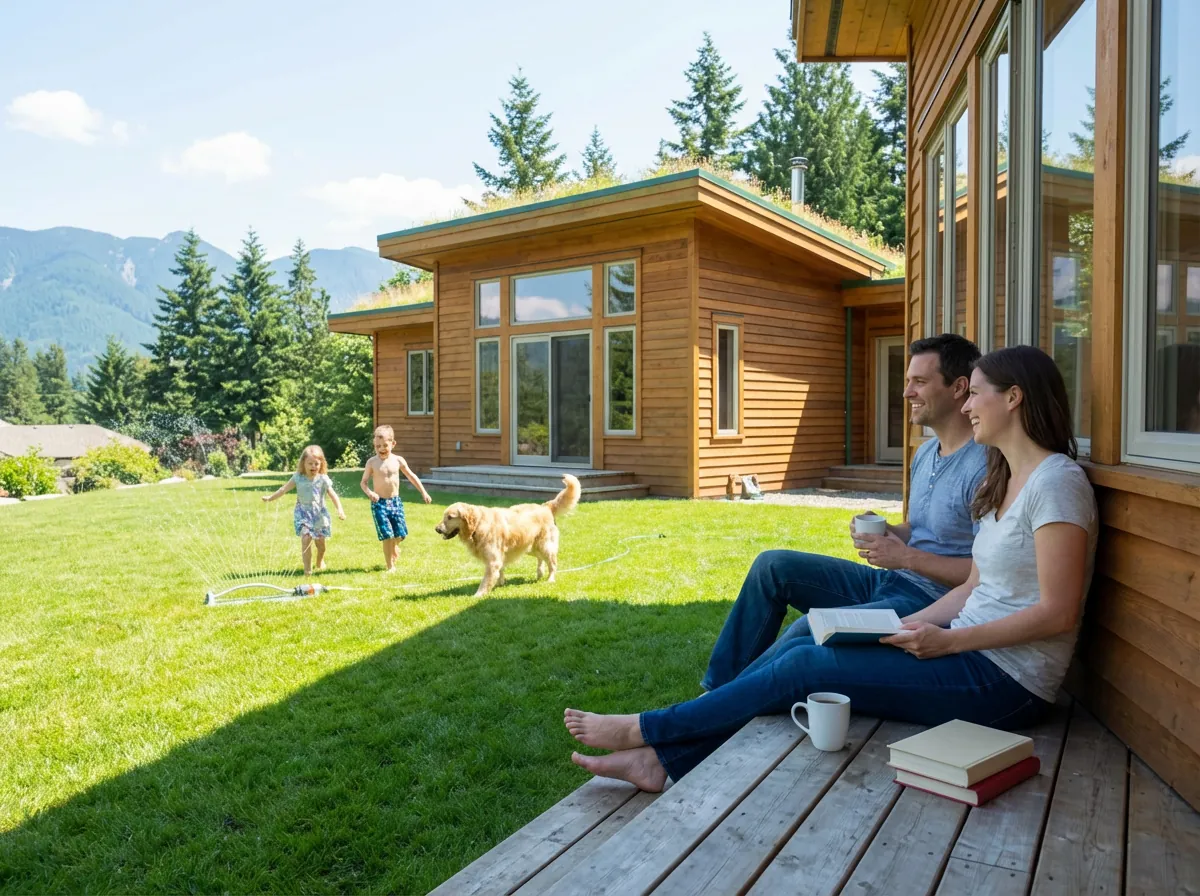
This is where the math works decisively in Vancouver Island's favour. As of early 2026, the VREB benchmark single family home price in Greater Victoria sits near $1.25M — significant, but roughly 35 to 40% below comparable Metro Vancouver benchmarks. Move to Langford or Colwood and you're looking at $850K to $1M for newer detached product. Mid Island communities like Nanaimo benchmark near $800K for detached homes, reflecting strong demand from mainland relocators.
For buyers coming from the Metro Vancouver condo market, Island prices represent a genuine step change: the equity from a two bedroom Vancouver condo often buys a detached house with a yard in the CRD without a mortgage, or with a very small one.
Day to Day Costs
Grocery prices are broadly comparable to the Lower Mainland — you're buying from the same major chains (Thrifty Foods/Sobeys, Save-On-Foods, Costco in Langford). Gas is typically a few cents per litre cheaper than Vancouver. The big difference: you're unlikely to pay $400/month for parking, and commutes are shorter, so fuel and vehicle costs are generally lower.
BC Income Tax and Property Taxes
Provincial income tax rates are the same everywhere in BC — there's no municipal or regional income tax difference. Property taxes vary by municipality: Victoria and Saanich tend to be higher than Langford or Colwood for equivalent properties, but the absolute amounts are well below what Metro Vancouver homeowners typically pay, partly because assessed values are lower.
The Practical Move Itself
Moving Companies
Many Lower Mainland moving companies serve Vancouver Island, but they need to book the ferry (with your goods) as part of the move. Confirm with your mover that they have experience with Island moves and understand BC Ferries vehicle reservation requirements. For large moves during peak summer, your mover may need to split the load across multiple sailings if a single truck can't be reserved on your target date.
Alternatively, a growing number of Island based movers do both sides of the move — they pick up in Metro Vancouver and bring everything over on the ferry. These companies often have dedicated contracts with BC Ferries for commercial transport.
Vehicles and the Ferry
You can take multiple vehicles on the same sailing (at extra cost) if both drivers are travelling together. For a family with two cars, this is the standard approach. Motorcycles and bicycles get preferred boarding and lower fares.
Health Care
Your BC MSP coverage is provincial and moves with you. You don't need to reapply. However, finding a family doctor in Victoria is challenging — there are physician shortages across CRD, as there are across BC. Register with the Health Connect Registry (healthconnectbc.ca) to be matched with an available GP. The wait can be months. Walk in clinics and urgent care centres fill the gap in the interim.
ICBC and Drivers Licences
Your BC driver's licence and ICBC vehicle insurance are valid across the province — no changes needed on moving. If you're arriving from another province, you have 90 days to obtain a BC licence and BC plates.
What Nobody Tells You
The Malahat
Highway 1 between Victoria and Langford narrows into a mountainous two lane section called the Malahat — the only road north out of Greater Victoria. It closes periodically for accidents, avalanches, or wildfires. If you live in Victoria or Saanich and plan to drive to Nanaimo regularly, factor in that closures (sometimes 4 to 8 hours) are a real occasional disruption. There is no alternate route.
Island Time is Real
Contractors, tradespeople, and service businesses operate on a different schedule than Metro Vancouver. Getting quotes for renovations, booking landscaping, or scheduling home inspections takes longer than you expect. Build extra timeline into any purchase that requires trade work before occupancy. The shortage of trades labour is more acute here than the Lower Mainland.
Rain (But Not Cold)
Victoria's reputation for mild weather is accurate — but "mild" in winter means grey and damp, not warm and sunny. November through February brings consistent overcast skies and regular rain. The upside: it rarely freezes, you almost never shovel snow, and by March the daffodils are blooming. Sooke, the west coast, and anywhere north of Nanaimo get substantially more rain than Victoria.
Property Values Correlate with Distance to the Ferry
It sounds simplistic, but it's true: the closer a property is to Swartz Bay (the main ferry terminal), the more buyers are willing to pay relative to comparable properties further away. For buyers who intend to commute to the mainland periodically, proximity to the terminal is a real lifestyle factor that the market prices in.
Cell Coverage Gaps Are Real Outside the Core
Drive west on Highway 14 toward Sooke and you'll drop to 1 bar or no signal at multiple points. The Malahat has spotty coverage. Many rural properties north of the Saanich Peninsula have coverage from only one carrier. If you're a remote worker who depends on cellular data, test coverage at the specific address — not just the general area — before buying.
Next Steps
If you're seriously considering a move, here's a practical sequence:
- 1
Define your non negotiables
List your deal breakers before you look at a single listing: maximum commute to ferry, minimum lot size, school district requirements, proximity to amenities. This narrows your community shortlist from 10 options to 2 to 3.
- 2
Get pre approved for BC financing
If you're selling a Metro Vancouver property and buying here, talk to a mortgage broker about how bridge financing works in BC and what the timing looks like between closing your Vancouver sale and your Island purchase.
- 3
Research the current market
Browse current VREB market stats to understand inventory levels, days on market, and price trends in the areas you're targeting. Knowing whether it's a buyer's or seller's market shapes your offer strategy.
- 4
Plan a focused viewing trip
Work with an agent to pre screen 8 to 12 properties before you arrive. See as many as possible in 3 to 4 days. Bring your checklist and trust your gut on the neighbourhood feel.
- 5
Engage a real estate lawyer early
BC conveyancing is handled by lawyers (not notaries for most purchases). Retain one before you make an offer so they're ready to move quickly when you find the right property.

Ready to Start Your Greater Victoria Search?
Dallas King helps mainland buyers navigate a Greater Victoria purchase — from remote viewings to negotiating in a competitive environment. Free consultation, no pressure.
Frequently Asked Questions
How long does it take to drive from Vancouver to Victoria?
The drive itself is about 1.5 to 2 hours from downtown Vancouver to the Tsawwassen ferry terminal, plus a 1 hour 35 minute sailing on BC Ferries to Swartz Bay, then roughly 30 to 45 minutes into Victoria. Budget 4 to 5 hours door to door, and add 30 to 90 minutes of wait time at the terminal during peak season (July to September weekends). Foot passengers take the same sailing but avoid vehicle wait times entirely.
Is it possible to buy a home on Vancouver Island without visiting in person?
Yes, and it happens regularly — particularly for buyers relocating from the Lower Mainland, Alberta, or internationally. The key is working with an agent who conducts thorough video walkthroughs (not just recorded tours), provides honest neighbourhood audio context, and can negotiate on your behalf in a competitive situation. Many buyers make an initial visit for a long weekend viewing trip before submitting offers remotely.
How much cheaper is Vancouver Island compared to Metro Vancouver?
As of 2025, Greater Victoria benchmark single family home prices are roughly 30 to 40% lower than comparable Metro Vancouver properties. The gap widens significantly as you move north — Campbell River or Courtenay can be 60 to 65% cheaper than Vancouver. Day to day expenses like groceries and gas are broadly similar; the big savings come in housing.
Can I commute between Vancouver Island and Vancouver for work?
Some people do it weekly — they work in Vancouver Monday to Thursday and return to the Island for long weekends. The ferry foot passenger experience is comfortable (café, reserved seating, Wi-Fi) and the 1h35m sailing is workable for a weekly commute. Daily commuting is not practical for most people, though Harbour Air floatplanes offer 35 minute flights between downtown Vancouver and downtown Victoria several times a day at a premium.
What internet and cell coverage is like outside Victoria?
Victoria, Saanich, Langford, Sidney, and most of the Saanich Peninsula have excellent LTE/5G coverage from Telus, Rogers, and Shaw (Freedome). Gaps appear on the Malahat (Highway 1 north of Victoria), along the west coast (Sooke to Port Renfrew), and in rural areas north of Nanaimo. If you work remotely and want to live outside the core, confirm coverage at the specific property with your carrier before buying.
What are the property transfer tax implications of moving to BC?
BC Property Transfer Tax (PTT) applies to all purchases: 1% on the first $200K, 2% from $200K to $2M, 3% above $2M. First time buyers who are Canadian citizens or permanent residents purchasing a principal residence under $835,000 may qualify for a full or partial exemption. Foreign buyers face an additional 20% foreign buyers tax in certain areas. Consult a BC real estate lawyer on your specific situation.
Is Vancouver Island a good place to raise a family?
Victoria and the Saanich Peninsula consistently rank among BC's top family markets. School District 61 (Victoria) and SD 63 (Saanich) have strong academic results and robust French Immersion programs. Langford and Colwood have newer schools and more affordable family housing. The outdoor lifestyle — beaches, parks, cycling trails, and mild weather — is a consistent driver for families relocating from the Lower Mainland.