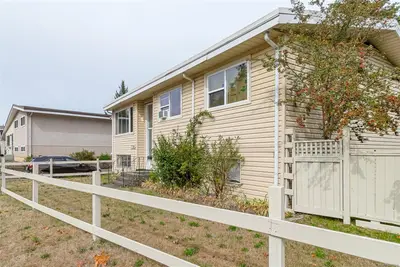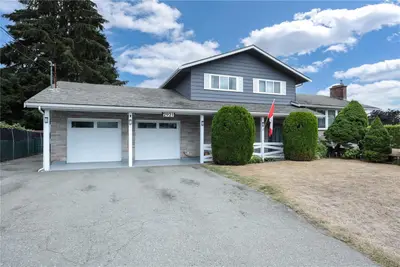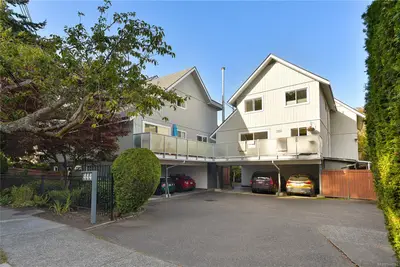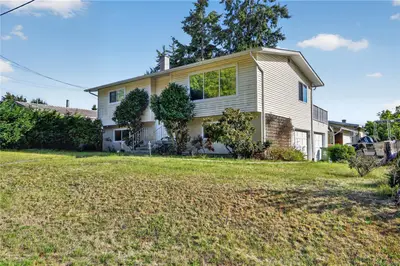
Victoria, BC has a cost of living approximately 15–20% above the Canadian national average, driven primarily by housing costs. The benchmark price for a single-family home in Greater Victoria is around $867,000 as of early 2026, and average rent for a one-bedroom apartment is approximately $2,100 per month. Groceries, transportation, and utilities are broadly comparable to other major BC cities.
Housing Costs in Victoria, BC
Housing is the dominant driver of Victoria's elevated cost of living. Ownership costs have risen significantly over the past decade, though prices remain well below Metro Vancouver.
| Housing Type | Approximate Cost (2026) |
|---|---|
| Benchmark single-family home | ~$867,000 |
| Average condo/apartment (purchase) | ~$550,000 |
| Average 1-bedroom rent | ~$2,100/month |
| Average 2-bedroom rent | ~$2,800/month |
Browse current Victoria MLS listings or review the VREB monthly market report for the latest benchmark figures. Current market conditions and price trends: Victoria real estate market 2026.
Transportation Costs
Victoria is one of BC's most walkable and cyclable cities, and many residents use active transportation or transit as their primary mode of travel.
- BC Transit monthly pass: Approximately $99/month for adults (as of 2026).
- Gas prices: Typically 10–15 cents per litre above the Vancouver average due to island distribution costs.
- BC Ferries (Tsawwassen to Swartz Bay): From approximately $18 per foot passenger and $65 or more per vehicle (varies by season and sailing).
- Vehicle ownership: ICBC rates are broadly similar to Metro Vancouver. Parking is significantly cheaper in Victoria than downtown Vancouver.
Groceries & Dining
Grocery prices in Victoria are comparable to Vancouver. The island does not have a significant price premium on food versus the mainland.
- Monthly groceries (couple): Approximately $800–$1,000 depending on dietary preferences and shopping habits.
- Dining out (mid-range restaurant): Approximately $20–$35 per person before drinks and gratuity.
- Grocery stores: Save-On-Foods, Thrifty Foods, Walmart, and multiple independent grocers are well represented across the CRD.
Utilities & Internet
- BC Hydro (electricity): Approximately $80–$120 per month for a typical apartment; higher for larger homes or electric heating.
- Internet: Approximately $60–$90 per month for standard cable or fibre broadband.
- Natural gas: Many Victoria homes use heat pumps rather than gas heating, reducing monthly utility bills and eliminating gas connection fees.
Victoria vs Vancouver — Cost Comparison
| Category | Victoria vs Metro Vancouver |
|---|---|
| Housing (purchase) | 20–30% less expensive |
| Rent | Roughly 10–15% less expensive |
| Groceries | Broadly similar |
| Utilities | Broadly similar |
| Gas | Slightly more expensive (island premium) |
| Commuting without a car | More viable in Victoria than most BC cities |
Is Victoria Affordable?
The honest answer: Victoria is cheaper than Vancouver but more expensive than the national average. For buyers relocating from the Lower Mainland, the financial case is compelling — housing costs 20–30% less for equivalent product, while income levels and quality of life are broadly comparable. For buyers coming from eastern Canada or the prairies, the sticker shock is real.
First-time buyers and those on tighter budgets often find the best value in Langford, Colwood, the West Shore, and communities along the Cowichan Valley corridor such as Mill Bay or Ladysmith, where detached homes and townhomes are meaningfully less expensive than core Victoria.
For Vancouverites considering the move, see our moving from Vancouver to Victoria guide with neighbourhood equivalents, a detailed price comparison, and a practical relocation checklist.
Frequently Asked Questions
Is Victoria BC expensive to live in?
Victoria is roughly 15–20% above the Canadian average cost of living, primarily due to housing. It is significantly cheaper than Vancouver but more expensive than most Canadian cities.
What is the average rent in Victoria BC?
Average rent for a one-bedroom apartment in Victoria BC is approximately $2,100 per month as of 2026.
How does Victoria compare to Vancouver for cost of living?
Victoria housing costs are roughly 20–30% lower than Vancouver, while groceries, utilities, and transportation are broadly comparable.
What is the cost of living in Victoria BC per month?
A single person renting in Victoria BC can expect monthly costs of approximately $3,500–$4,500 including rent, food, transport, and utilities. A couple with a mortgage faces higher housing costs depending on purchase price.