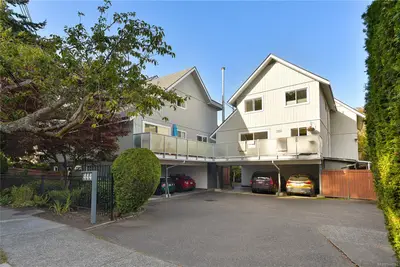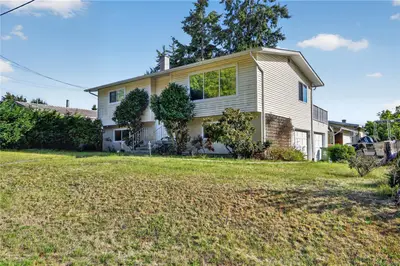
What Is Strata Ownership?
Strata ownership is the legal framework that governs condominiums, townhouses, and certain types of single-family home communities in British Columbia. When you buy a strata property, you own your individual unit (called a “strata lot”) and share ownership of common areas, structures, and amenities with other owners in the same strata corporation.
The BC Strata Property Act, first introduced in 1998 and updated regularly since, sets out the rules for how strata corporations operate, how decisions are made, and what rights and obligations owners have. Strata ownership is extremely common on Vancouver Island, particularly in Victoria, Langford, Nanaimo, and the surrounding municipalities where condominiums and townhouses make up a significant share of the housing stock.
Understanding the type of strata you are buying into is essential, because the rules, responsibilities, and costs differ considerably between building strata and bare land strata properties. Both types are common on Vancouver Island, and each has distinct advantages depending on your lifestyle preferences, budget, and long-term plans.
Building Strata
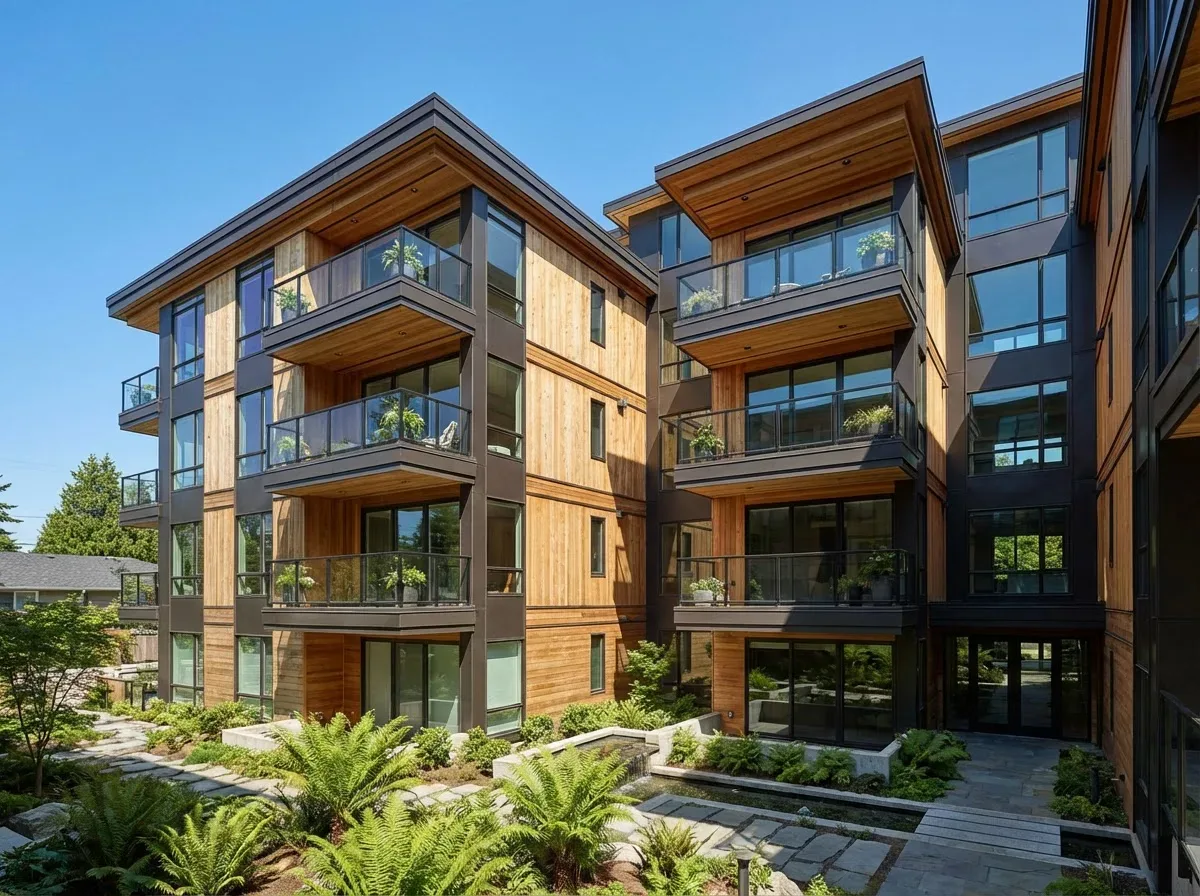
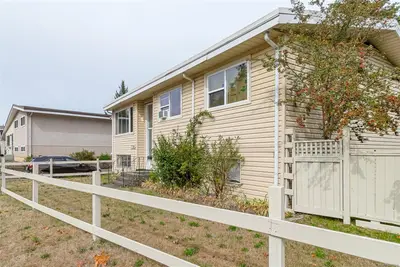
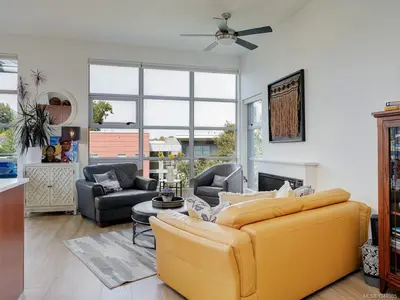
A building strata is the most common type of strata ownership in Greater Victoria. In this arrangement, you own your individual unit within a shared building, and the strata corporation is responsible for maintaining the building structure, including the roof, exterior walls, common hallways, elevators, mechanical systems, and shared amenities like parking garages, lobbies, and recreational facilities.
Monthly strata fees in a building strata cover shared expenses including building insurance, common area maintenance, landscaping, management company fees, and contributions to the contingency reserve fund. The fee amount is determined by the strata budget and allocated based on each unit's share (called a “unit entitlement”), which is typically proportional to unit size.
Building strata properties in Victoria range from older low-rise wood-frame buildings from the 1970s and 1980s to modern concrete high-rises with ocean views. The age and construction type of the building have a direct impact on strata fees, insurance costs, and the likelihood of special assessments. Newer buildings generally have lower maintenance costs but higher purchase prices, while older buildings may offer more affordable entry points but carry higher ongoing costs and risk of major repairs.
Provincial density legislation, including SSMUH rules in Greater Victoria and Bill 47 Transit-Oriented Areas, is creating new opportunities for strata development across Vancouver Island as municipalities allow more multi-unit housing on residential land.
Bare Land Strata

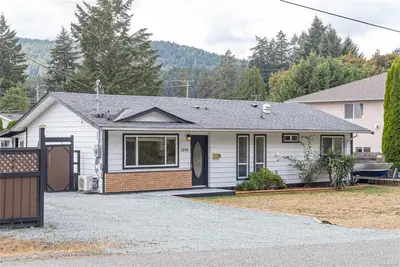
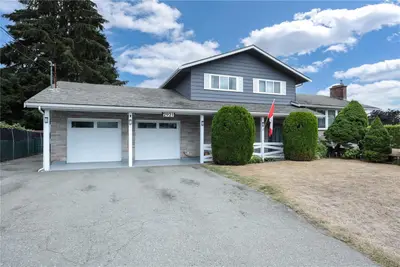
A bare land strata is a form of strata ownership where you own the lot and the house on it, rather than a unit within a shared building. The strata corporation manages only the common infrastructure, which typically includes private roads, shared green spaces, community amenities, and sometimes shared utilities such as a community water or sewer system.
Because the strata is responsible for less, bare land strata fees are usually significantly lower than building strata fees. Monthly fees in the $10 to $150+ range are typical for bare land stratas on Vancouver Island, compared to $250 to $500 or more for building stratas. However, as the homeowner, you are responsible for maintaining your own house, including the roof, siding, mechanical systems, and yard.
Bare land stratas are popular in communities like Langford, Sooke, the Cowichan Valley, and Nanaimo where newer developments offer detached or semi-detached homes in a managed community setting. They appeal to buyers who want the space and independence of a house but appreciate shared amenities and maintained common areas.
One important consideration is that bare land stratas still have bylaws and rules that may restrict exterior modifications, parking, pets, and other activities. Even though you own the house, the strata corporation has authority over community standards. Always review the bylaws before purchasing.
Building vs Bare Land: Key Differences
| Feature | Building Strata | Bare Land Strata |
|---|---|---|
| What you own | Your unit within a shared building | Your lot and the house on it |
| Strata maintains | Building structure, roof, exterior, common areas | Shared roads, green spaces, community amenities |
| You maintain | Interior of your unit | Your entire house and yard |
| Typical monthly fees | $250 to $500+ | $10 to $150+ |
| Renovation freedom | Limited to unit interior | More flexibility, subject to bylaws |
| Insurance | Strata insures building, you insure contents | You insure your house, strata insures common areas |
| Common in | Victoria, Sidney, Oak Bay, Esquimalt | Langford, Sooke, Cowichan, Nanaimo |
The Leaky Condo Crisis and Its Legacy
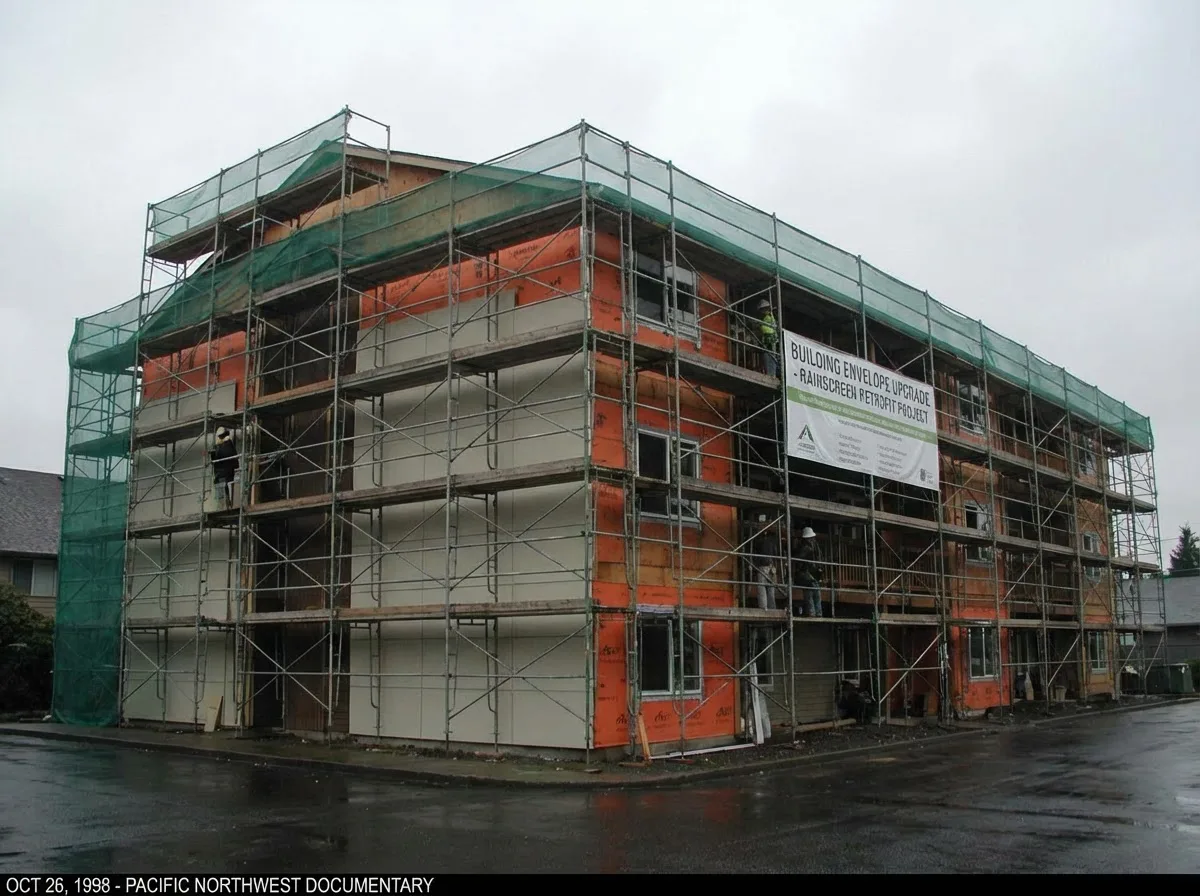
The leaky condo crisis is one of the most significant chapters in British Columbia real estate history, and its effects are still felt in the Vancouver Island market today. Between the late 1980s and early 2000s, thousands of condominiums and townhouses across BC developed serious moisture intrusion problems that caused structural damage, mould growth, and in many cases rendered units uninhabitable.
The root causes were a combination of building envelope designs that did not adequately account for BC's heavy rainfall climate, building code requirements that lagged behind construction practices, and a boom-era construction pace that sometimes compromised workmanship. Face-sealed wall assemblies, which relied on a single layer of protection against moisture rather than a drainage cavity, were particularly vulnerable.
The financial impact was devastating. Repair costs for individual strata corporations ranged from hundreds of thousands to tens of millions of dollars. Many homeowners faced special assessments of $20,000 to $80,000 or more per unit. Some owners lost their homes because they could not afford the repairs.
The crisis led to sweeping changes in how British Columbia regulates residential construction. The Homeowner Protection Act, introduced in 1998, established mandatory home warranty insurance, created the Homeowner Protection Office (now part of BC Financial Services Authority), and required all residential builders to be licensed. Building code amendments mandated rain screen wall assemblies and improved moisture management details for all new construction.
For buyers today, the legacy of the leaky condo crisis means that buildings constructed between approximately 1985 and 2000 warrant extra scrutiny. Many have been fully remediated with modern rain screen cladding, and a completed remediation can actually make these buildings very sound investments. However, buildings from this era that have not been remediated, or that show signs of deferred maintenance, should be approached with caution. Your REALTOR® and a qualified building inspector can help you evaluate the condition and repair history of any strata building you are considering.
Depreciation Reports

A depreciation report (sometimes called a reserve fund study) is a professional assessment of a strata building's major components, their expected lifespan, and the estimated cost of replacing or repairing them over time. Under the BC Strata Property Act (Sections 94-96), strata corporations with five or more units must obtain a depreciation report and update it every three years. The BC government's depreciation report guide outlines the full requirements.
The report is prepared by a qualified professional, typically a reserve fund planner, engineer, or building science specialist. It covers major building systems including the roof, building envelope, plumbing, electrical, elevators, parking structures, mechanical systems, and common area finishes.
For buyers, the depreciation report is one of the most valuable documents you can review. It tells you whether the strata is adequately funding its reserve to cover anticipated repairs, or whether special assessments are likely in the coming years. A well-funded strata with a current depreciation report is a sign of responsible management. A strata that has voted to waive the requirement, or that has a severely underfunded reserve, is a warning sign.
If you are assessing a property's long-term value, understanding how development potential intersects with strata age and land value can provide additional perspective on whether a strata property represents a strong investment.
Strata Insurance in BC
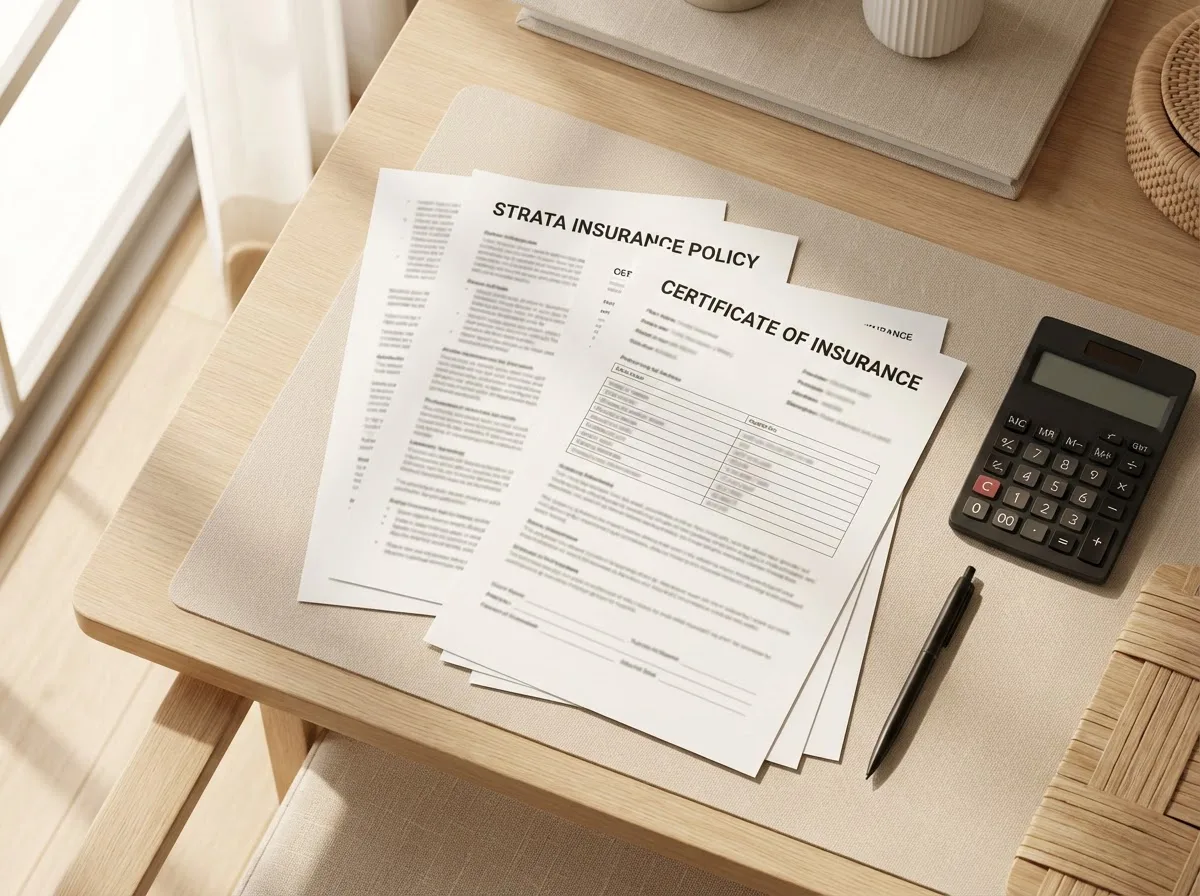
Strata insurance in British Columbia has become one of the most significant cost factors for strata owners over the past several years. Insurance premiums for strata corporations have risen sharply since 2019, driven by increased claims, construction cost inflation, and a tightening insurance market.
In a building strata, the strata corporation carries a master insurance policy that covers the building structure, common areas, and liability. Individual unit owners need their own policy (often called a strata unit owner's policy) to cover personal contents, improvements and betterments to the unit, and their deductible responsibility. The strata's insurance deductible is a critical number, because if a claim originates in your unit, you may be responsible for the full deductible amount, which can range from $5,000 to $250,000 or more depending on the type of claim and the strata's policy.
In a bare land strata, the strata insures only common property. You are responsible for insuring your own house, similar to a standard homeowner's policy.
When evaluating a strata purchase, always ask for the current insurance certificate, the deductible schedule, and the year-over-year premium history. Rising premiums can signal that the strata has had claims or that the building is considered higher risk by insurers.
The Contingency Reserve Fund
The contingency reserve fund (CRF) is the strata corporation's savings account for future repairs and maintenance. Under the BC Strata Property Act (Section 92), strata corporations must contribute at least 10% of their annual operating budget to the CRF, unless a 3/4 vote approves a lower contribution based on a depreciation report.
A healthy CRF means the strata can handle expected repairs without levying special assessments on owners. An underfunded CRF means that major repairs, such as a roof replacement, elevator overhaul, or plumbing upgrade, will require owners to pay extra, sometimes a substantial amount.
When reviewing a strata's financials, compare the CRF balance against the recommendations in the depreciation report. If the depreciation report estimates $500,000 in repairs over the next five years and the CRF has $100,000, you should expect either a significant increase in monthly fees or a special assessment.
The Form B Information Certificate
The Form B Information Certificate is arguably the single most important document in a strata purchase. Required under Section 59 of the Strata Property Act, it is a standardized certificate issued by the strata corporation that provides a comprehensive snapshot of the strata's financial and legal status as it relates to the specific unit you are buying.
The Form B includes the monthly strata fee amount, any outstanding fees owed by the seller, pending or approved special levies, current and pending legal actions involving the strata, the strata's insurance coverage and deductible amounts, the contingency reserve fund balance, and a copy of the current bylaws and rules.
Under BC law, the strata corporation must provide a Form B within seven days of receiving a written request and payment of the prescribed fee ($35 base fee). Your REALTOR® will typically order the Form B as part of the due diligence process during the subject period of your purchase contract. If you are working with a knowledgeable local agent, they will review the Form B with you and flag any concerns.
Strata Bylaws and Rules
Every strata corporation has bylaws that govern how the strata operates and what owners and residents can and cannot do. If a strata has not filed its own bylaws, the Standard Bylaws under the BC Strata Property Act apply by default.
Common bylaw topics include pet restrictions (type, size, number), rental restrictions, noise and quiet hours, parking allocation and use, storage locker assignments, move-in and move-out procedures, balcony and patio use, exterior modifications, and short-term rental prohibitions.
Bylaw enforcement can vary significantly from one strata to another. Some councils enforce bylaws strictly, while others take a more relaxed approach. Reading the strata meeting minutes will give you a sense of how actively bylaws are enforced and whether there are ongoing disputes.
The distinction between bylaws and rules matters. Bylaws require a 3/4 vote of owners to amend, while rules can be changed by the strata council. Rules tend to cover more specific operational matters, while bylaws address broader governance issues.
Strata Buyer Checklist

Before purchasing any strata property on Vancouver Island, review the following documents and ask these questions:
Working with a REALTOR® who has experience with strata transactions on Vancouver Island is one of the best ways to protect yourself. An experienced agent knows what to look for in strata documentation and can identify potential issues before they become your problem. If you are considering hiring a development consultant for a strata redevelopment or renovation project, our guide covers the key professionals involved.
Frequently Asked Questions
What is the difference between a building strata and a bare land strata?
In a building strata, you own your individual unit within a shared building and the strata corporation is responsible for the structure, common areas, roof, exterior walls, and shared systems. In a bare land strata, you own your lot and the house on it, while the strata corporation manages only shared infrastructure like private roads, common landscaping, and community amenities. Bare land strata fees are typically lower because the strata is responsible for less.
What is a Form B information certificate?
A Form B is a document issued by the strata corporation that provides a snapshot of the strata finances, upcoming special levies, legal actions, bylaws, and the unit individual share of expenses. Under BC law, a strata corporation must provide a Form B within seven days of a written request. Buyers should always review the Form B before finalizing a strata purchase, as it reveals financial health and pending obligations that may not be visible from a property showing alone.
Are depreciation reports mandatory in BC?
Yes. Under the BC Strata Property Act, strata corporations with five or more units must obtain a depreciation report from a qualified professional and update it at least every three years. A strata can vote to waive the requirement with a 3/4 vote, but lenders and insurers increasingly expect a current depreciation report. A missing or outdated depreciation report is a red flag for buyers because it suggests the strata may not be planning adequately for future repairs.
What caused the leaky condo crisis in BC?
The leaky condo crisis affected thousands of condominiums and townhouses built in BC during the late 1980s and 1990s. A combination of factors contributed: building envelope designs that were not suited to the Pacific Northwest rain climate, insufficient building code requirements for moisture management, construction practices that relied on face-sealed wall assemblies without adequate rain screening, and rapid construction during a building boom that sometimes compromised quality. The crisis led to billions of dollars in repair costs, major changes to the BC Building Code, and the creation of the Homeowner Protection Act.
How much are typical strata fees in Victoria BC?
Strata fees vary significantly based on the type of strata, the age of the building, the amenities included, and the size of the unit. In Victoria, building strata fees for a two-bedroom condominium typically range from $250 to $500 per month, though buildings with elevators, pools, or concierge services can be higher. Bare land strata fees are generally lower, often between $10 and $150+ per month, because the strata corporation is responsible for less infrastructure. Always check the strata budget breakdown to understand what is included.
What happens if a strata corporation runs out of money for repairs?
When the contingency reserve fund is insufficient for a necessary repair, the strata corporation can levy a special assessment on all owners. Special levies are approved by a 3/4 vote of the strata and allocated according to each unit share of total strata expenses. Special levies can range from a few hundred dollars to tens of thousands of dollars depending on the scope of the repair. This is why reviewing the depreciation report and contingency reserve fund balance is so important before buying.
Can a strata corporation prohibit pets or rentals?
Yes. Strata corporations in BC have the authority to create bylaws that restrict pets, short-term rentals, and other activities within the strata. However, under current BC law, strata corporations cannot ban long-term rentals entirely. The Strata Property Act was amended to limit rental restriction bylaws, though stratas can still impose reasonable restrictions such as a maximum number of rental units. Pet restrictions vary widely and buyers should review the bylaws carefully before purchasing.
What is a strata wind-up?
A strata wind-up, also known as dissolution, occurs when the strata corporation is terminated and the land is sold, often for redevelopment. Under BC law, a wind-up requires an 80% vote of all strata lot owners. Wind-ups have become more common in Greater Victoria as older strata buildings on valuable land attract developer interest. For owners, a wind-up can mean a significant payout, but the process is complex and can take years.
How does strata ownership affect my ability to renovate?
In a building strata, any renovation that affects the building structure, exterior appearance, or common property requires strata council approval and sometimes a special resolution from all owners. Interior cosmetic changes within your unit are generally permitted without approval. In a bare land strata, you have more freedom because you own the house, but renovations that affect the exterior appearance or shared infrastructure may still require strata council approval depending on the bylaws.
What should I look for in strata meeting minutes?
Strata meeting minutes reveal the ongoing issues, priorities, and financial decisions of the strata corporation. Look for recurring maintenance complaints, deferred repairs, discussions about special levies, insurance claims, legal disputes, and contentious bylaw enforcement. Pay attention to whether the strata council is proactive about maintenance or consistently deferring work. At least two years of minutes should be reviewed before purchasing.
Does SSMUH legislation affect strata properties?
The Small Scale Multi-Unit Housing legislation under Bill 44 primarily affects single-family zoned lots, not existing strata properties. However, SSMUH may influence future strata development by allowing more units on residential land. If you are interested in how provincial density legislation is changing the housing landscape on Vancouver Island, see our guide to SSMUH in Greater Victoria.