Most advice about getting ready to sell starts with the house. Paint the trim, clear the counters, book a photographer. All of that matters, and none of it is the first step.
The first step is finding out what your lot is allowed to support, because that decides who your buyer is. And your buyer decides your price.
Two buyers, one property, two different numbers
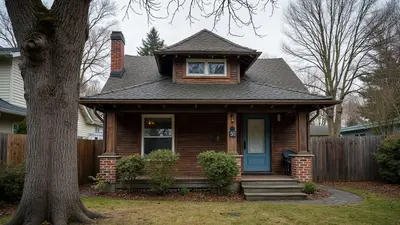
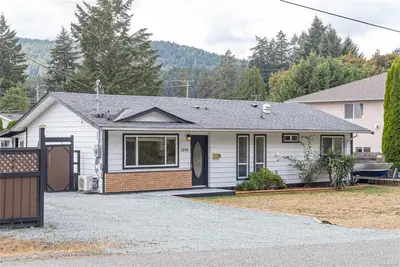
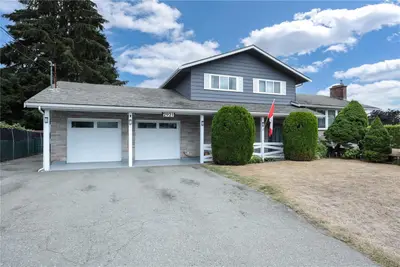
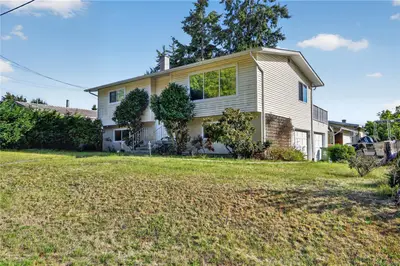
A house in Greater Victoria usually has more than one kind of buyer. There is the family who wants to live in it, and there is the builder who wants the land under it. Those two people are not bidding on the same thing.
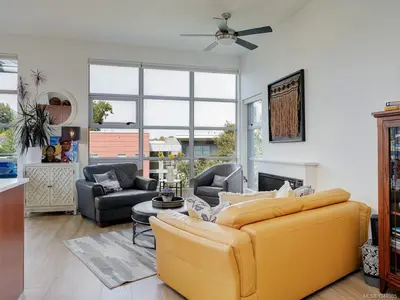
The family is buying rooms, light, a yard, a commute and a school catchment. They value the house.
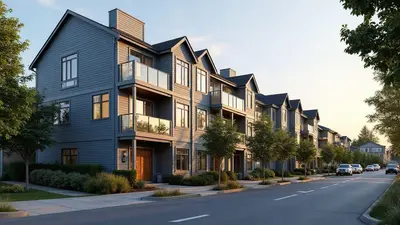
The builder is buying permitted density, servicing, lot dimensions and what the municipality will let them construct. They value the land, and they treat the existing house as either a bonus or a cost to remove.
When you list without knowing which buyer is realistically in play, you write your marketing for one of them and quietly lose the other. Worse, you can price against the wrong pool entirely.
Why this changed
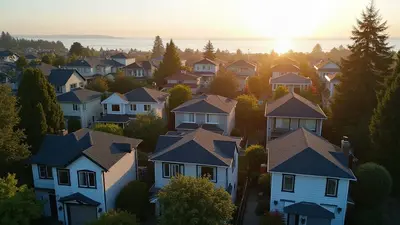
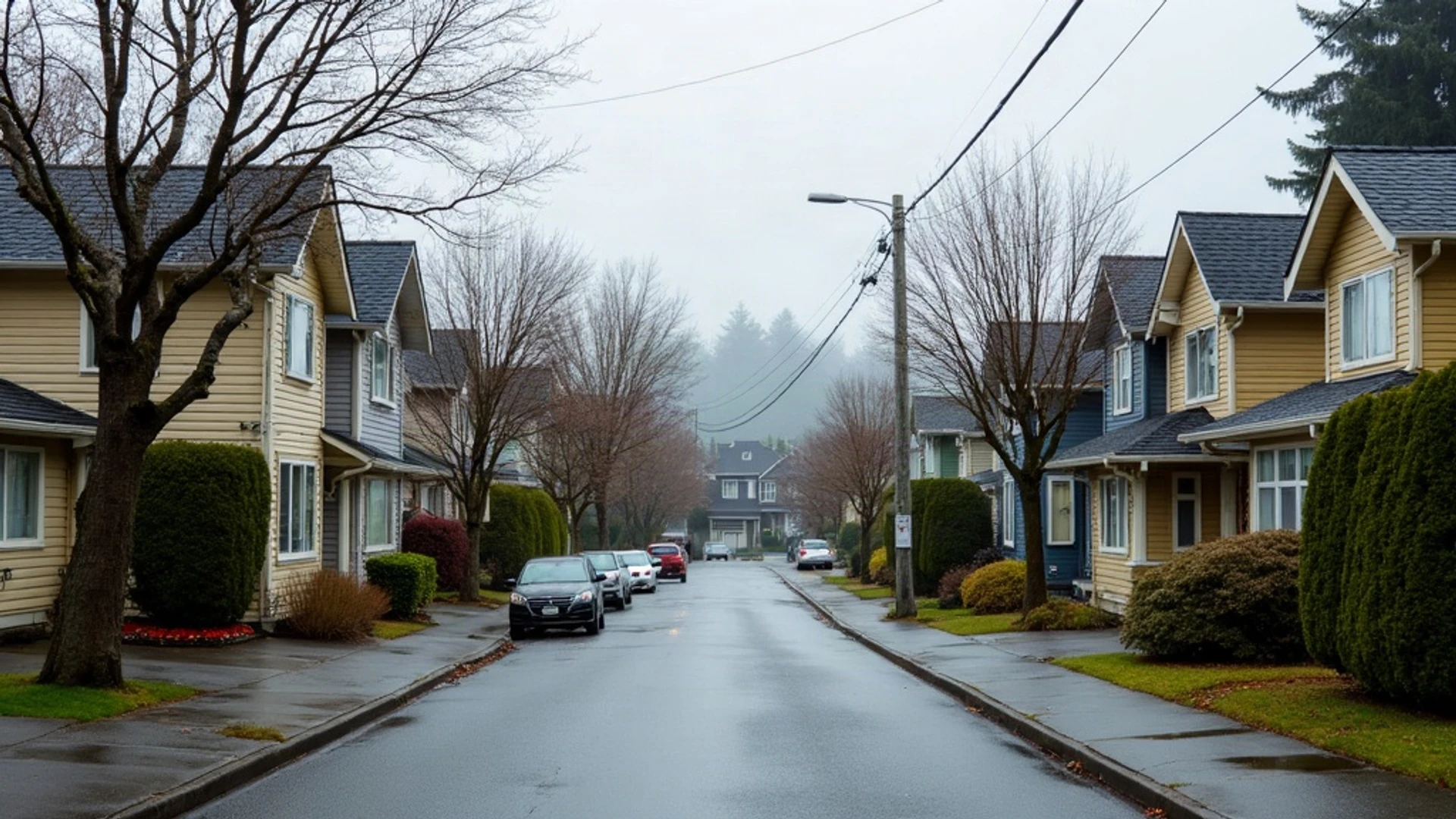
Under BC's small scale multi unit housing rules, most residentially zoned lots in Greater Victoria now permit more than a single home. You can read the detail in the Greater Victoria SSMUH guide and in how Bill 44 changes density.
Here is the part sellers miss. Because that density applies broadly, it is not by itself something that makes your property special. Almost every lot on your street has the same permission. What creates a real difference is the condition of what is standing on the lot today.
If your home is well maintained and has years of life in it, most buyers will keep it, and you are selling a house.
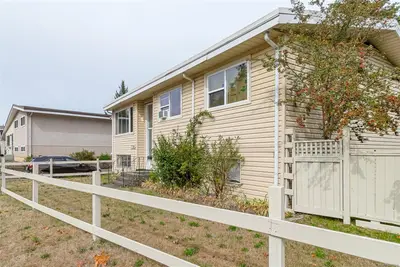
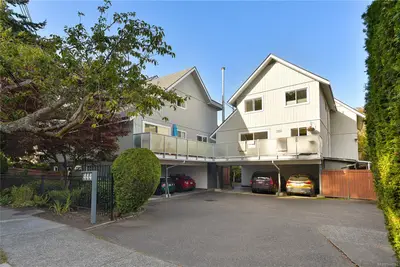
If your home is at the end of its life, a builder can now put more than one home on that lot, which widens the pool of people who can justify paying for the land. That is a materially different sale, and it should be marketed differently.
What to find out before you price
Before you set a number, you want to know:
What the current zoning permits on your parcel, not on your municipality generally. Rules vary between neighbouring properties depending on lot size, servicing and proximity to transit.
Whether your lot is serviced for what is permitted. Permission on paper and a buildable site are not the same thing.
Whether the house is worth more standing or removed, honestly assessed.
Which of those two buyer pools is realistically competing for your property, and which one your listing should speak to.
How to get it
Two things, and they take very little from you.
Run a free development potential assessment on your address. It tells you what the parcel supports.
Then get a valuation that accounts for it. A valuation that only compares your house to other houses will miss the land value entirely if the land is the thing you are actually selling.
The order matters
Sellers who do this in the wrong order spend money in the wrong places. There is no return on refinishing floors in a house that a builder intends to remove, and there is no point marketing to builders if your home has twenty good years left and a family will pay more for it.
Find out what you have. Then decide what to spend, who to market to, and what to ask.
Find out what your property can support
Run the free development potential assessment, then request a valuation that considers both the home and the land.
Local market: Oak Bay real estate