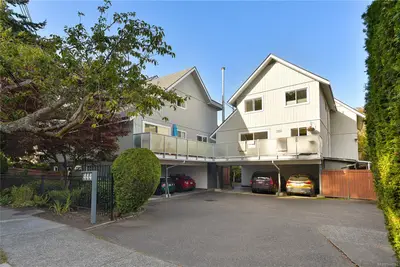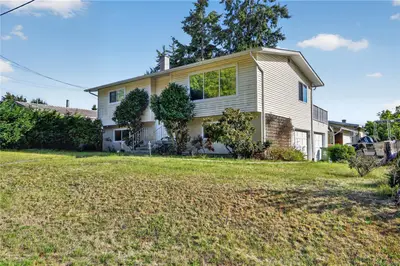
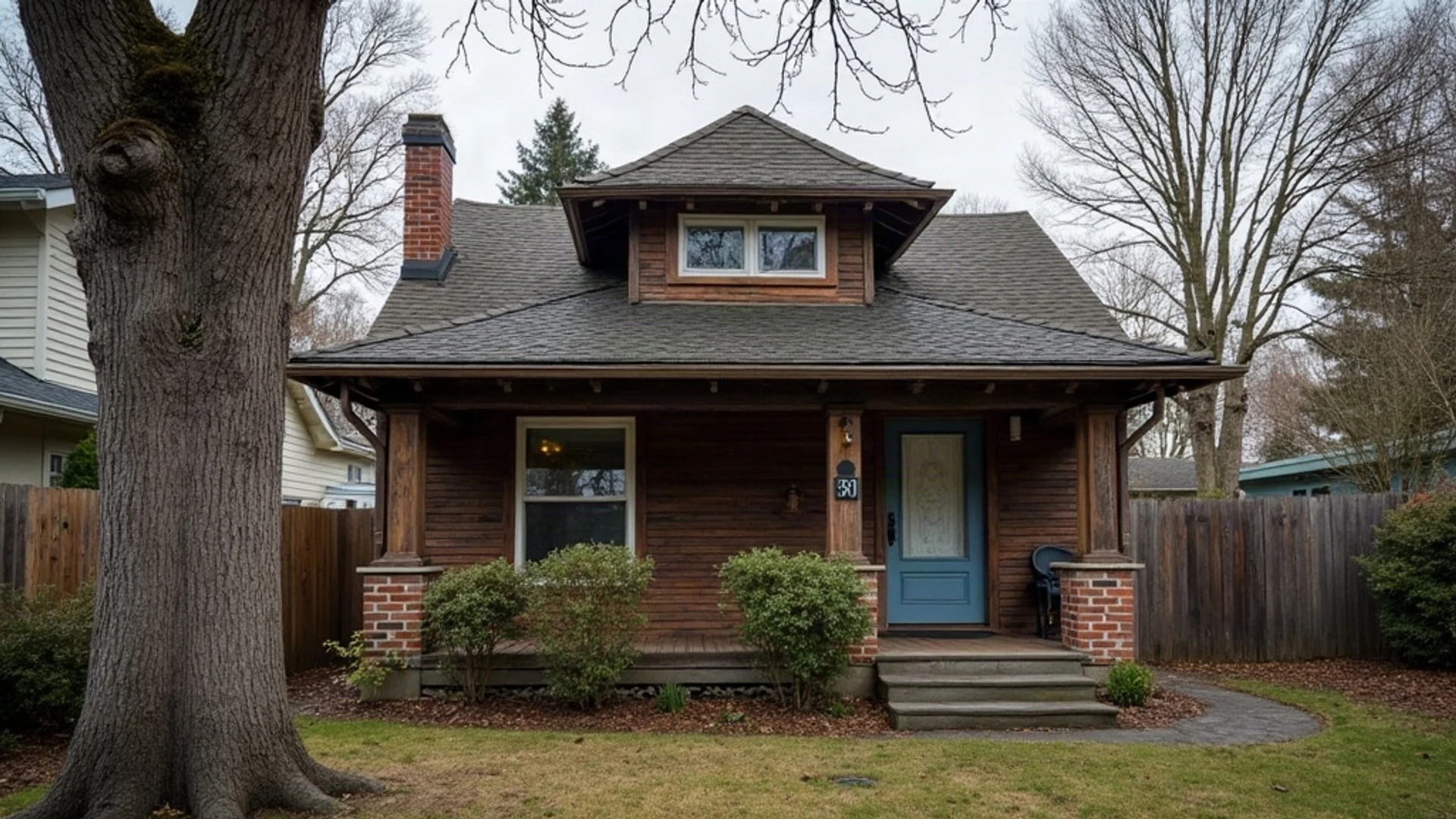
Sellers use the phrase "as is" to mean something simple. I am not fixing anything, take it how it stands. That is a reasonable position, and in Greater Victoria it is often the right one. But the phrase carries two common misunderstandings, and both of them cost money.
The disclosure statement is optional. Crossing it out is not a safe harbour.
In British Columbia, completing a property disclosure statement is optional. A seller can decline to provide one at all. What sellers often do instead is hand over a statement with the answers struck through, or with "as is" written across it, believing that this removes the risk of saying something wrong.
The BC Court of Appeal has made clear that it does not. In Sewell v. Abadian the court held that a seller who submits a disclosure statement, even one struck through with a general comment, is representing that they have no knowledge of the items listed. If the seller did have that knowledge, that is a misrepresentation. The older approach, where writing "as is" across the statement put the whole burden back on the buyer, has been narrowed. A buyer is entitled to rely on what a disclosure statement says, including what it implies by staying silent.
So the choice is not between disclosing and writing "as is". It is between providing no statement at all, or providing one completed honestly and completely on what you actually know.
Material latent defects sit outside the as is conversation entirely
A material latent defect is one a reasonable inspection would not reveal, and that makes the property dangerous, uninhabitable or unfit for its purpose, or that involves a bylaw or non compliance notice, or missing permits. A structural problem hidden behind finished walls. A suite built without permits. An outstanding municipal order.
These are not covered by an as is banner. Under the Real Estate Services Rules, a realtor who knows of a material latent defect is obligated to disclose it to the buyer or the buyer's agent, and must decline to provide trading services if the seller refuses to allow that disclosure. A seller hoping to pass a known hidden defect through quietly is asking their own agent to do something the agent is not permitted to do.
What as is actually governs
Repairs, not knowledge. It tells a buyer you are not fixing anything and not negotiating credits for condition. It does not convert something you know into something you are entitled to leave unsaid.
The practical position is the straightforward one. Disclose what you know, clearly and in writing, and price with it in view. Buyers discount uncertainty far more heavily than they discount a known and quantified problem, and the discount for uncertainty is applied after closing too, in the form of a claim.
Source: BCREA, Legally Speaking, "Property Disclosure and Non Disclosure: What Every REALTOR Should Know". This is general information and not legal advice; a lawyer should be consulted on any specific disclosure question.
As is is not a discount, it is a different buyer
This is the part that moves the number.
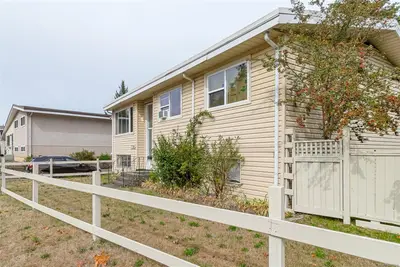
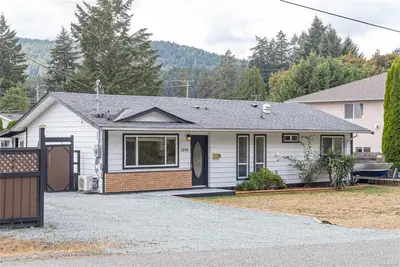
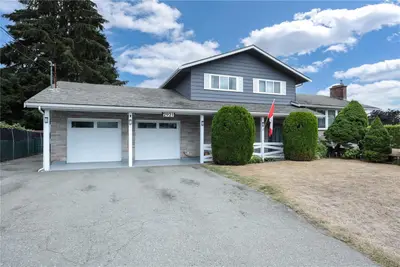
When people say as is, they often mean the house is tired. Older systems, deferred maintenance, a roof near the end of its service life, a layout nobody would build today. The instinct is to take the price a renovated comparable achieved and subtract a repair estimate.
That is the wrong method, because the buyer is not the same person.
A house near the end of its life in Greater Victoria is frequently worth more as a site than as a discounted home. Under current density rules a builder can put more than a single home on most residentially zoned lots, which means the land can carry a value the tired house never could. Pricing off renovated house comparables, minus repairs, can leave that difference on the table.
The reverse error also happens. A solid home that simply needs cosmetic work is sometimes marketed as a teardown, which invites builder pricing on a property a family would have paid more for.
How to tell which one you have
The honest test is what a buyer would do on the day they take possession.
If most buyers would move in and live there while improving it over time, you have a house, and it should be marketed and priced as one, with the condition disclosed and reflected.
If most buyers would remove or substantially rebuild it, you have a site, and the value question becomes what the site supports. That is answered by zoning, lot size and servicing, not by comparable kitchens.
Some properties genuinely sit between the two, and those are the ones where getting it wrong is most expensive, because both pools are live and only one of them is being spoken to.
What to do before you list
Find out what your parcel permits with a free development potential assessment. It is the input that tells you whether the site conversation is even available to you.
Then get a valuation that considers both outcomes rather than only the comparable sales of houses in similar condition.
Disclose what you know, in writing, early. It protects you, and it prices better than ambiguity.
Selling as is is a perfectly good strategy. It just needs to be the right kind of as is.
For the density context behind this decision, read the Greater Victoria SSMUH guide and how Bill 44 changes density.
Find out what your property can support
Run the free development potential assessment, then request a valuation that considers both the home and the land.
Local market: Gordon Head real estate