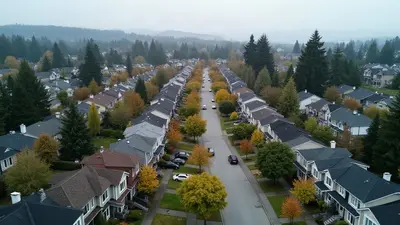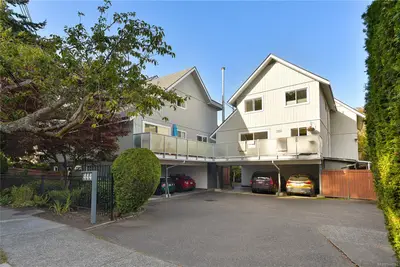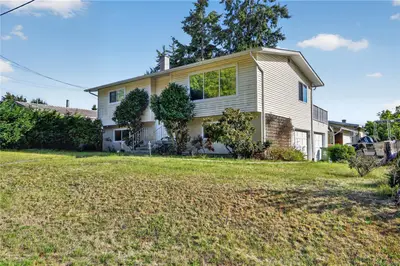
In November 2023, the BC government passed Bill 44, the Housing Statutes Amendment Act, fundamentally changing what homeowners can build on residential land across the province. If you own a single-family lot on Vancouver Island, your property may now allow up to four or even six units without rezoning.
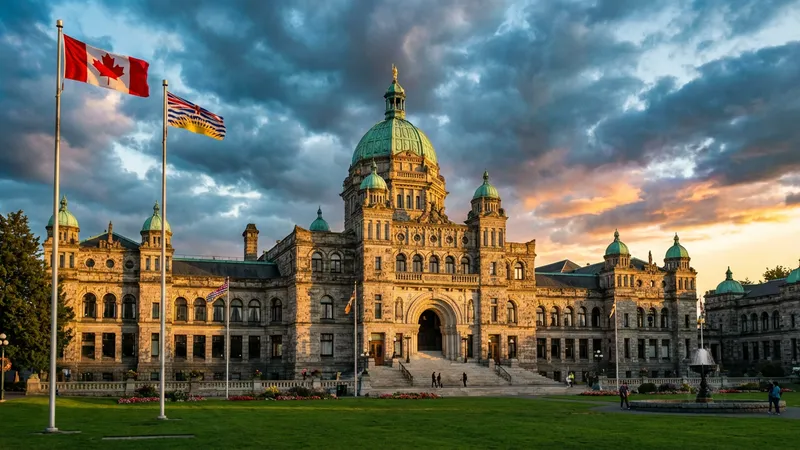
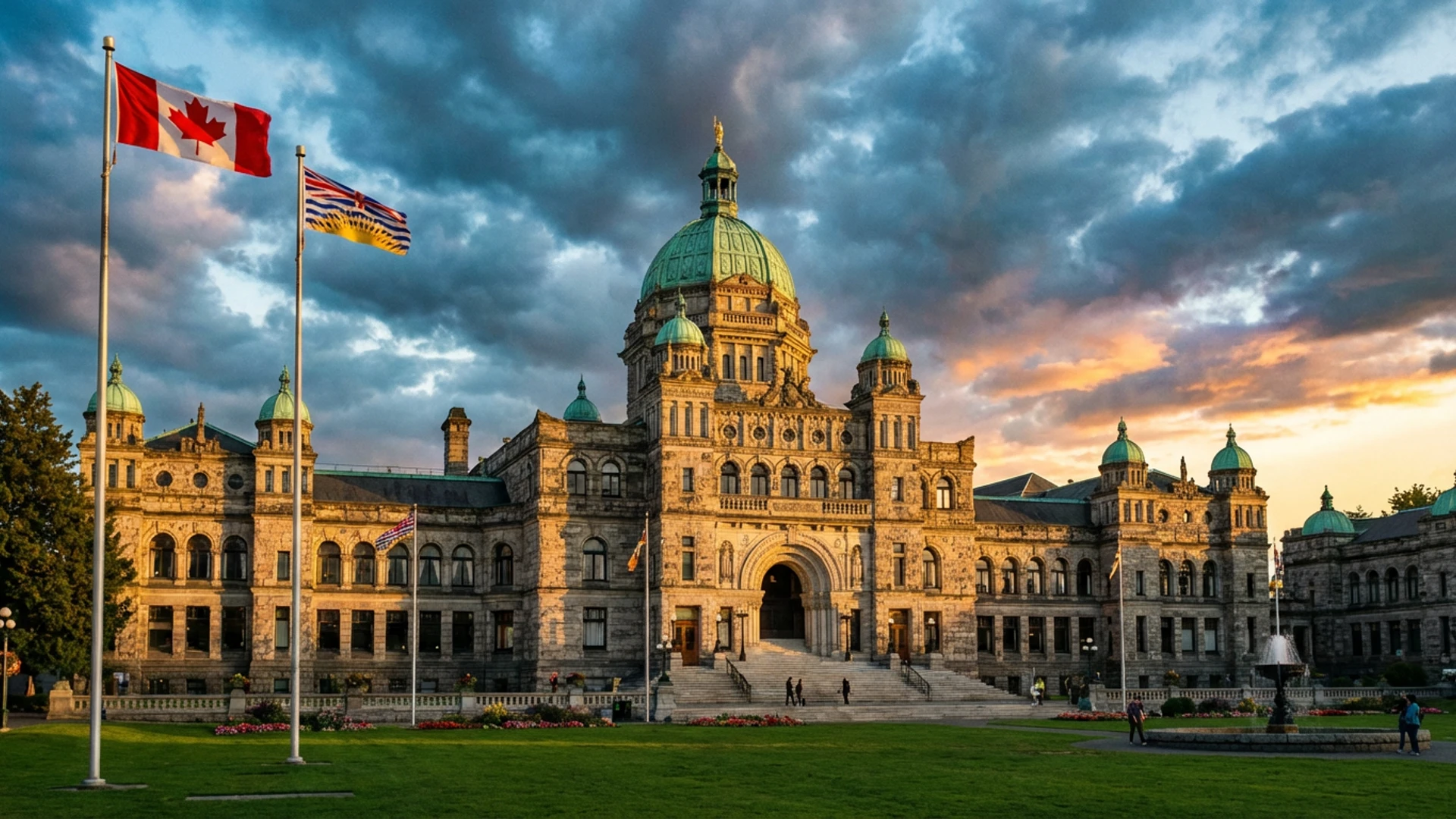
The BC Legislature in Victoria, where Bill 44 was passed in November 2023, reshaping residential zoning province-wide.
What Is Small-Scale Multi-Unit Housing (SSMUH)?
SSMUH is the provincial framework that automatically allows increased density on lots previously zoned exclusively for single-family homes. Rather than requiring individual rezonings, which can take months or years and cost tens of thousands of dollars, SSMUH sets minimum density standards that municipalities must permit by right. For a detailed breakdown of how these rules apply in the Capital Regional District, see our guide to SSMUH housing rules for Greater Victoria.
Most BC municipalities were required to rezone by 30 June 2024, but what each council actually adopted varies a great deal, and in some municipalities the three, four and six unit tiers do not apply at all.
How Many Units Can You Build?
The number of units allowed depends on your lot size and location:
SSMUH Density Tiers
| Lot size and location | Minimum units the zoning must permit |
|---|---|
| 280 square metres or less | 3 units |
| Over 280 square metres | 4 units |
| Over 281 square metres, wholly or partly within 400 metres of a prescribed bus stop, in a municipality over 5,000 population | 6 units |
A prescribed bus stop means a stop served at least every 15 minutes between 7am and 7pm on weekdays. These are minimums the Province required municipalities to permit, not a promise about your specific lot. A municipality can permit more, and several in Greater Victoria do.
The exclusions matter as much as the tiers. A parcel is excluded if it is not connected to both municipal water and municipal sewer, if the zone's minimum parcel size is 4,050 square metres or more, if the parcel itself exceeds 4,050 square metres, if it carries protected heritage status, if it falls inside a designated transit oriented area, if it faces an unmitigable hazard, or if it sits outside an urban containment boundary in a municipality under 5,000 population. In this region the servicing exclusion removes thousands of lots on its own.
Sources: SSMUH Provincial Policy Manual and Site Standards, Provincial SSMUH FAQ.
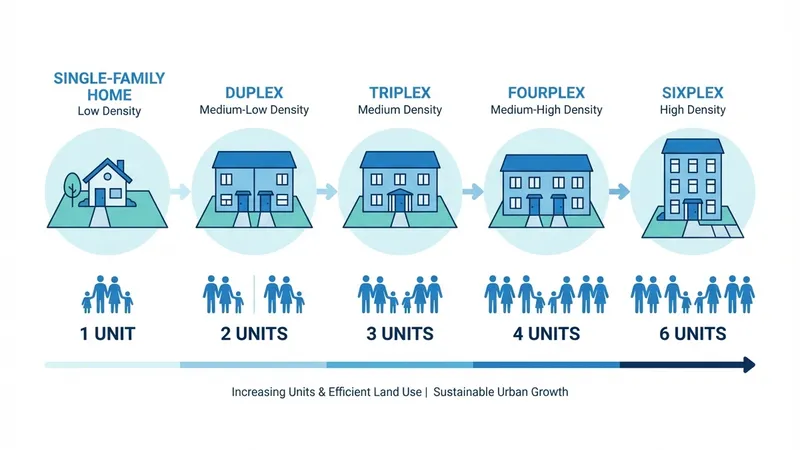
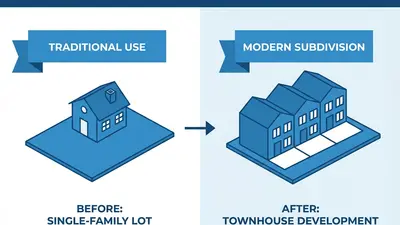
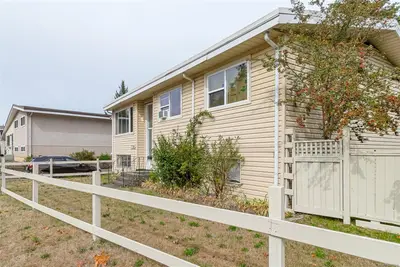
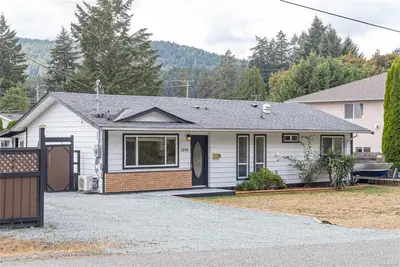
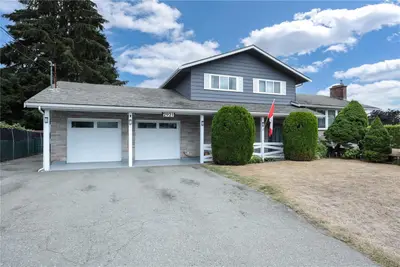
Under SSMUH, a single-family lot can potentially accommodate multiple dwelling units depending on lot size and location.
What This Means for Vancouver Island Property Owners
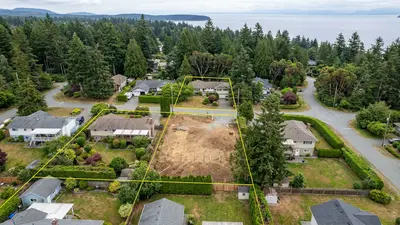
A standard residential lot in this region often qualifies for three or four units, but eligibility is decided lot by lot, and in Saanich a lot must sit inside the Urban Containment Boundary, the Sewer Service Area and a Primary Growth Area before any of it applies.
A parcel inside a designated transit oriented area is excluded from the Bill 44 tiers and is governed by the transit oriented area rules instead, so the two do not stack.
For Homeowners
- Revenue potential: Add a garden suite or secondary suite to generate rental income
- Property value: Development-ready lots command significantly higher prices than single-use lots
- Family housing: Build a garden suite for aging parents or adult children
- No rezoning required: Eliminates the uncertainty and expense of the rezoning process
For Investors and Developers
- Immediate opportunity: Thousands of lots across Vancouver Island are now eligible for multi-unit development
- Reduced risk: No rezoning means shorter timelines and fewer political hurdles
- Gentle density: Fourplexes and houseplexes fit into existing neighborhoods without large-scale construction
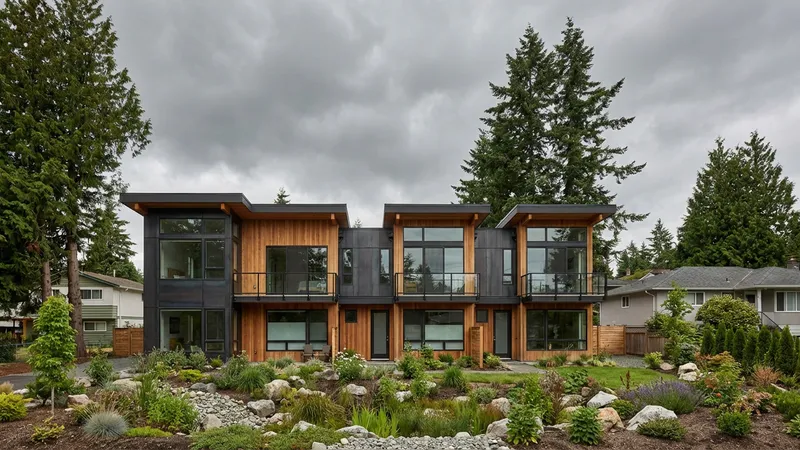
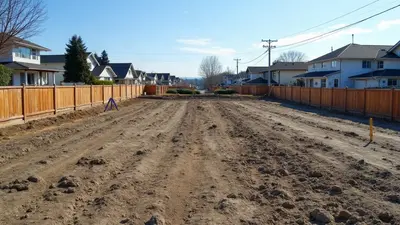
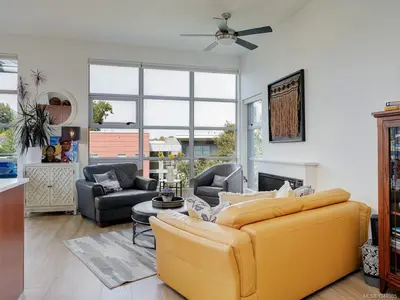
A modern fourplex-style development, the type of gentle density now permitted by right under SSMUH on qualifying lots.
What Municipalities Can and Cannot Do
While municipalities must allow the minimum densities prescribed by SSMUH, they retain control over:
- Building setbacks and height: Standard zoning envelope rules still apply
- Design guidelines: Municipalities can set design standards through Development Permit Areas
- Servicing requirements: Water, sewer, and stormwater capacity must be adequate
- Tree protection: Local tree bylaws remain enforceable
- Heritage designation: Properties with heritage protection may have additional restrictions
Municipalities cannot require public hearings for projects that comply with SSMUH standards. Parking rules depend on transit proximity: within 400 metres of a frequent transit bus stop (where 6 units are permitted), municipalities cannot impose minimum off-street parking requirements (except accessible parking). Outside that 400-metre buffer, municipalities retain the ability to set their own parking standards for SSMUH projects.
The Garden Suite Opportunity
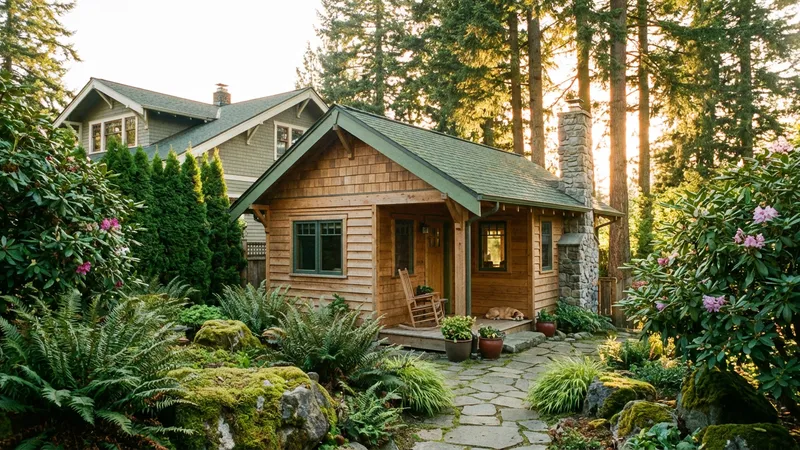
Garden suites (also known as laneway houses) are one of the most practical and popular ways to add density under SSMUH.
Garden suites, detached accessory dwelling units typically built in the backyard, represent one of the most accessible ways to take advantage of SSMUH. They can serve as rental income, family housing, or even a home office while maintaining the character of the primary residence.
On Vancouver Island, construction costs for a garden suite typically range from $250,000 to $450,000, depending on size, finishes, and site conditions. Monthly rental income for a well-designed garden suite in Greater Victoria can range from $1,800 to $2,800, making the economics attractive for many homeowners.
How to Assess Your Property's Development Potential
Not every lot is equally suited for multi-unit development. Our guide to assessing development potential in Victoria, BC covers this in detail. Key factors include:
- Lot size and dimensions: Wider lots accommodate side-by-side units more easily
- Existing servicing: Available sewer capacity is often the biggest constraint
- Topography: Steep lots increase construction complexity and cost
- Proximity to transit: Determines whether 3, 4, or 6 units are permitted. Understanding the differences between SSMUH and Transit-Oriented Areas is key to determining your allowable density
- Neighborhood context: Nearby amenities, schools, and employment centres affect unit values
You'll also want to work with qualified professionals throughout the process. Our development consultants guide for BC explains the ten key professionals involved in residential land development and when to bring each one in.
For a municipality by municipality breakdown of what each council actually adopted, read Bill 44 in Greater Victoria: what each municipality actually adopted.
Frequently Asked Questions
What is BC Bill 44 and SSMUH?
Bill 44, the Housing Statutes Amendment Act passed in November 2023, introduced Small Scale Multi Unit Housing, known as SSMUH. It is a provincial framework requiring most BC municipalities to permit more than one home on lots that previously allowed only a single family house, without rezoning. Most municipalities were required to rezone by 30 June 2024, but what each council adopted varies, and in some municipalities the tiers do not apply at all.
How many units can I build on my lot under BC's SSMUH rules?
The provincial minimums are 3 units on a lot of 280 square metres or less, 4 units on a lot over 280 square metres, and 6 units on a lot over 281 square metres that sits within 400 metres of a prescribed bus stop in a municipality over 5,000 population. A prescribed stop is one served at least every 15 minutes between 7am and 7pm on weekdays. Those are minimums, not a guarantee for your lot, and the exclusions for servicing, parcel size, heritage, hazard and transit oriented areas remove a large share of lots in Greater Victoria.
Do I need rezoning to build a garden suite or fourplex under Bill 44?
No. Under SSMUH, qualifying lots can add secondary suites, garden suites, or multi-unit buildings without going through the rezoning process. Municipalities cannot require public hearings for projects that comply with SSMUH standards. Standard building permits and development permits still apply, but the rezoning step — which can take months and cost tens of thousands of dollars — is eliminated.
Can Victoria or Saanich restrict what I build under SSMUH?
Municipalities retain control over setbacks, building heights, design guidelines, servicing requirements (water, sewer, stormwater), tree protection, and heritage designations. However, they cannot override the minimum densities set by SSMUH or require rezoning for compliant projects. Within 400 metres of a frequent transit stop, municipalities also cannot impose minimum off-street parking requirements (except accessible parking spaces).
Check Your Property's Development Potential
Our free Development Potential Assessment tool analyzes your Vancouver Island property against current SSMUH regulations, lot characteristics, and market conditions to estimate what you could build.
Assess Your PropertyKey Government Resources
- BC Government: Small-Scale Multi-Unit Housing
- Bill 44 — Housing Statutes Amendment Act, 2023
- Transit-Oriented Areas on Vancouver Island (Part 2 of this series)
Disclaimer: This article provides general information about BC housing legislation as of September 2026. Municipal implementation varies. Consult with your local planning department and a qualified professional before making development decisions. This is not legal advice.