Development & Density on Vancouver Island
British Columbia's housing legislation is transforming what property owners can build on their lots. From Bill 44's Small Scale Multi-Unit Housing (SSMUH) rules to Bill 47's Transit-Oriented Areas, the development landscape on Vancouver Island is changing rapidly. Development articles cover the legislation, the professionals to hire, and practical guidance for assessing property development potential. Whether you're a homeowner curious about adding a garden suite, an investor exploring fourplex opportunities, or a developer planning a larger project near a transit hub, these guides provide Vancouver Island-specific information.
Start Here: Complete Guides
SSMUH in Greater Victoria
Complete guide to Small Scale Multi-Unit Housing — what you can build on your lot under Bill 44.
Read guideBill 44 & BC Density Legislation
How Bill 44 changed municipal zoning and what it means for BC property owners.
Read guideTransit-Oriented Areas (Bill 47)
Where higher density is mandated near transit hubs on Vancouver Island.
Read guideDevelopment Potential in Victoria BC
How to assess what your property can support — factors, tools, and professional guidance.
Read guideDevelopment Consultants Guide
The 10 key professionals you need for a residential development project in BC.
Read guide18 Articles in Development
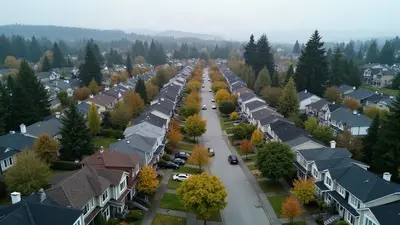
Bill 44 in Greater Victoria: what each municipality actually adopted
A municipality by municipality breakdown of what each Greater Victoria council actually adopted under Bill 44 and SSMUH.
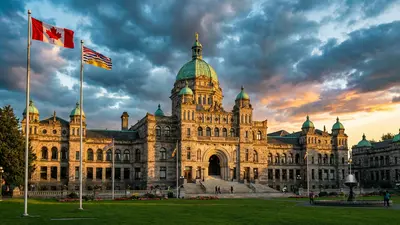
Bill 44 & SSMUH: What You Can Now Build on Your Vancouver Island Lot
BC's Bill 44 and SSMUH legislation lets you build up to 4-6 units on single-family lots without rezoning. Learn what this means for Vancouver Island property owners, investors, and developers — from garden suites to fourplexes.

Transit-Oriented Areas on Vancouver Island: Where Higher Density Is Coming
BC's TOA legislation mandates up to 10-storey developments near bus exchanges like UVic, Uptown, Royal Oak, and Langford. See which Vancouver Island transit hubs are designated and what it means for nearby properties.
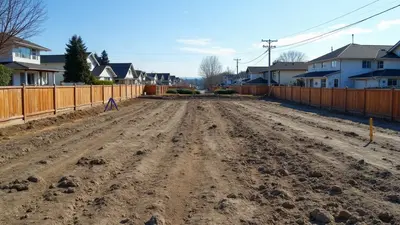
Selling a Lot With Development Potential in Greater Victoria
If the value of your property is in the land rather than the house, you are running a different sale.
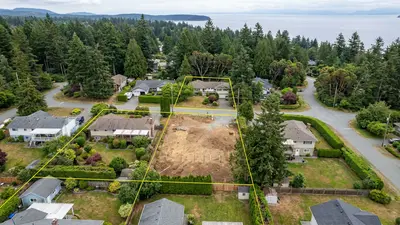
Land Assemblies on Vancouver Island: When Neighbours Build Together
Land assemblies combine adjacent properties for larger developments. Learn how Vancouver Island property owners can coordinate with neighbours to unlock premium development value near transit hubs.
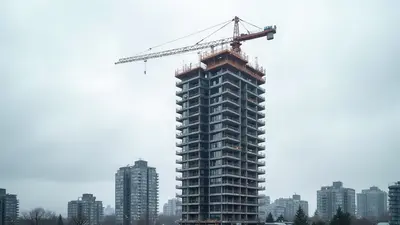
Assigning a Presale Contract in BC: The Four Regimes That Land on One Deal
An assignment looks like one transaction. Four separate tax and reporting regimes land on it, and one sentence in the assignment agreement can move the GST by thousands.
Your Zoning Says Four Units. Your Title Might Say One.
Since Bill 44, most serviced residential lots in British Columbia are zoned for at least three or four units. That permission is now so widespread that it is no longer the interesting question. The interesting question is whether anything else on your property overrides it.
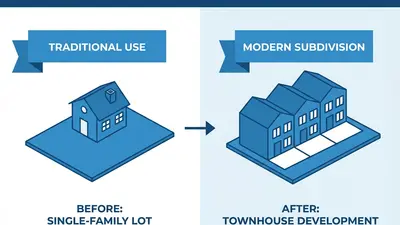
Bill M-216: The Professional Reliance Act and What It Means for Development Approvals
Bill M-216, the Professional Reliance Act, proposes requiring BC municipalities to accept certified professional submissions for all development approvals. Learn how this could speed up projects across Vancouver Island.
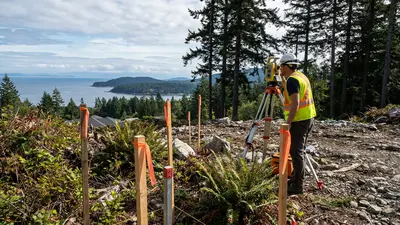
BC Land Surveyor (BCLS): Your Development Project Starts Here
A BC Land Surveyor establishes legal boundaries and creates the foundational data every other consultant needs. Learn about survey types, costs, and how to choose a BCLS on Vancouver Island.
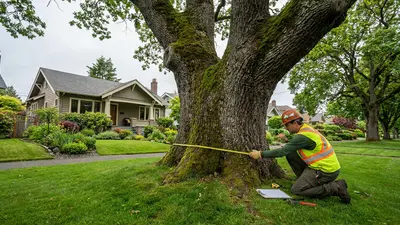
Certified Arborist: Tree Protection and Development in BC
Tree protection bylaws can reshape your entire development project. Learn about ISA vs RCA credentials, Garry Oak protections, and municipal tree bylaws across Greater Victoria.
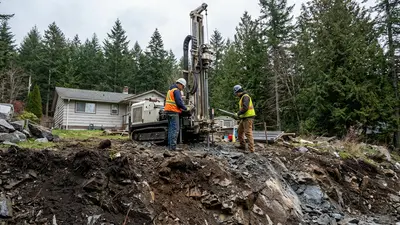
Geotechnical Engineer: What's Under Your Vancouver Island Lot Matters
Vancouver Island's varied geology and seismic risk make geotechnical engineering critical. Learn when a geotech report is required, what it covers, and typical costs.

Building Architect (AIBC): Designing for BC's Regulations and Climate
When do you need an AIBC-registered architect vs a building designer? Learn about Part 9 vs Part 3, Letters of Assurance, and typical architectural fees on Vancouver Island.
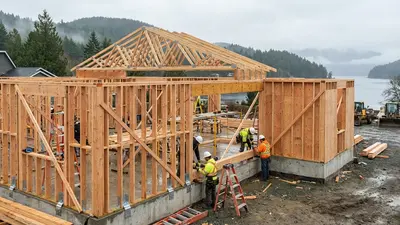
Structural Engineer: Building for Vancouver Island's Seismic Reality
BC is a high seismic zone and structural engineering is critical for safe buildings. Learn about seismic design, wood-frame construction, and structural engineering costs on Vancouver Island.
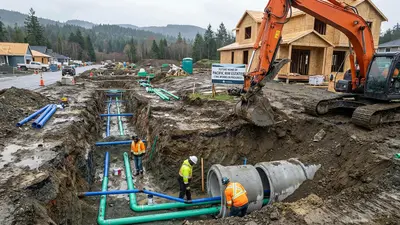
Civil Engineer: Servicing, Drainage, and Infrastructure for BC Development
Sewer capacity, stormwater management, and Development Cost Charges can make or break a project. Learn about civil engineering requirements and costs for Vancouver Island.
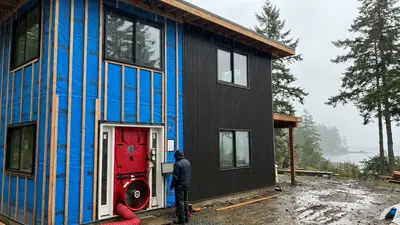
Building Envelope Consultant + Energy Advisor: Moisture and Efficiency in BC
Vancouver Island's heavy rainfall and BC's Energy Step Code make envelope and energy consulting critical. Learn about rain screen requirements, Step Code compliance, and costs.

Landscape Architect (BCSLA): Site Design Beyond the Building
Landscape architects design everything outside the building footprint. Learn about BCSLA requirements, stormwater integration, and Development Permit compliance on Vancouver Island.

Environmental Consultant (QEP): Watercourses, Contamination, and Species at Risk in BC
Riparian setbacks, contaminated sites, and species at risk can significantly affect development potential. Learn about QEP assessments, RAR regulations, and costs on Vancouver Island.

Traffic Engineer: Parking, Access, and Traffic Impact for BC Development
Traffic impact assessments, parking studies, and MOTI approvals are increasingly relevant for SSMUH and TOA projects. Learn about traffic engineering requirements and costs.