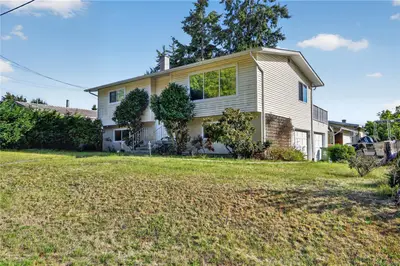
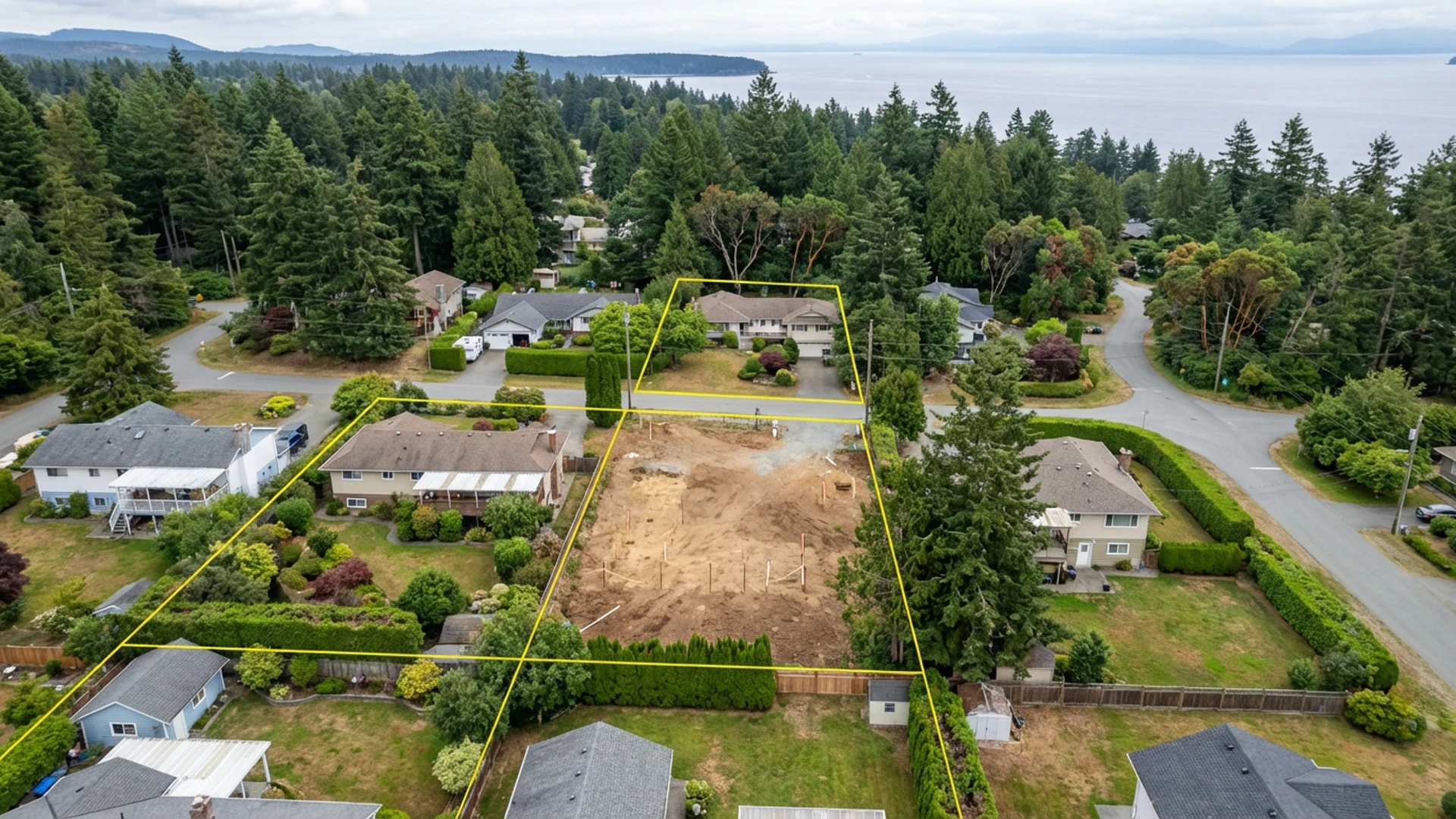
Some of the most significant development opportunities on Vancouver Island don't come from single lots, they come from combining adjacent properties into larger parcels. Known as "land assemblies," these multi-lot combinations can unlock density and value that individual properties cannot achieve alone. With SSMUH housing rules in Greater Victoria and TOA legislation increasing what can be built across the region, land assemblies are becoming an increasingly important strategy.
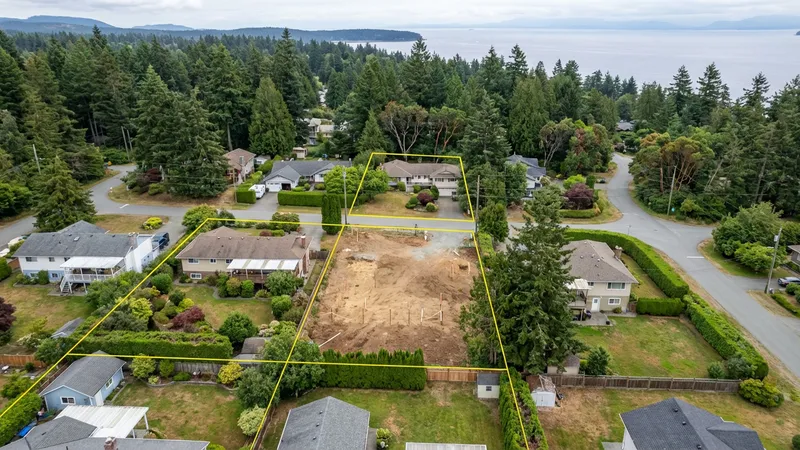
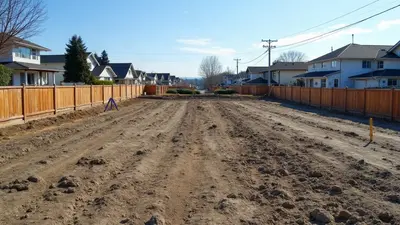
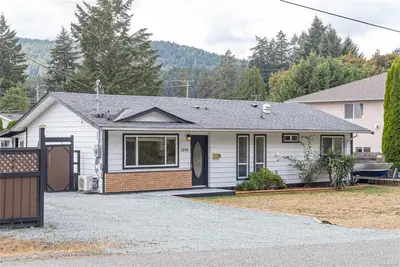
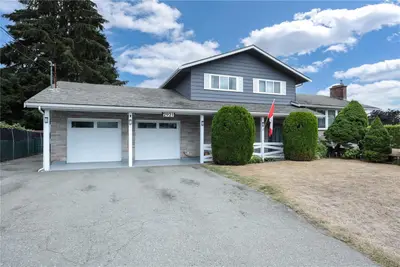
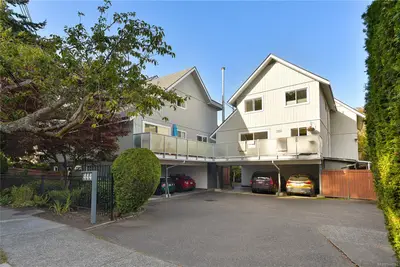
Adjacent single-family lots like these can sometimes be assembled into larger development parcels, creating opportunities that neither lot could support individually.
What Is a Land Assembly?
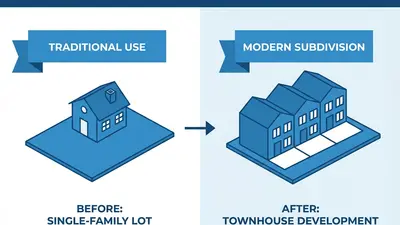
A land assembly is the process of acquiring two or more adjacent properties to create a single, larger development parcel. The assembled site is then typically rezoned (or, under new Bill 44 density rules and SSMUH/TOA frameworks, developed at higher density by right) and developed as a unified project.
Land assemblies are common in rapidly densifying urban areas where individual lots are too small or narrow to support efficient multi-unit development. By combining lots, developers can achieve better building layouts, more efficient servicing, and higher overall density than piecemeal development would allow.
Why Land Assemblies Create Premium Value
When multiple lots are combined, the resulting parcel often has a development value that significantly exceeds the sum of its parts. This "assembly premium" exists because:
- Better building efficiency: Larger footprints allow more efficient floor plans and reduce per-unit construction costs
- Reduced setback impact: Interior lot lines are eliminated, meaning setback requirements only apply to the perimeter
- Improved access and servicing: A larger site can accommodate better vehicle access, underground parking, and utility connections
- Higher density potential: Some municipal zoning provides density bonuses or increased height for larger assembled sites
- More attractive to lenders: Larger projects attract better financing terms
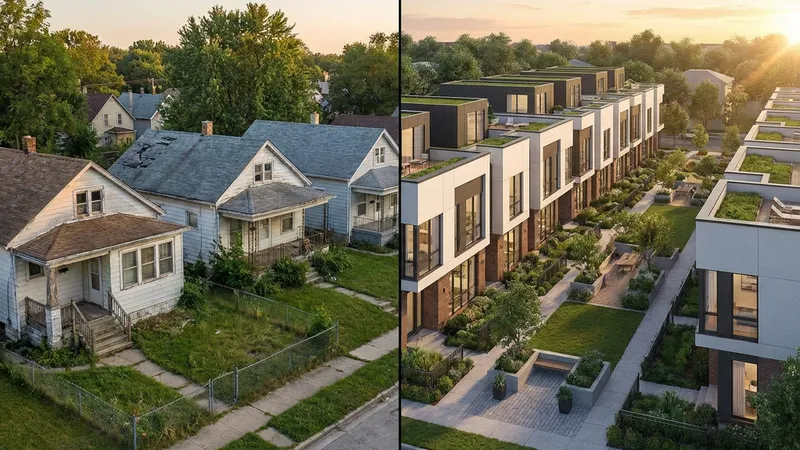
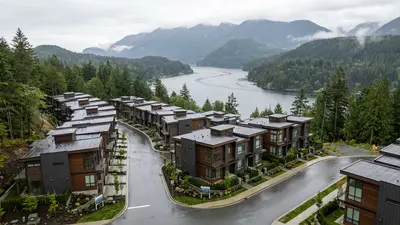
A land assembly transforms multiple individual properties into a single development opportunity with significantly greater potential.
Land Assembly Opportunities on Vancouver Island
Several factors make Vancouver Island particularly well-suited for land assembly opportunities right now:
Near TOA Sites
The areas around designated Transit-Oriented Areas (see Part 2 of this series) are prime assembly territory. Within 200 metres of exchanges like UVic, Uptown, Royal Oak, and Langford, the allowable density of up to 10 storeys and 3.5 FAR makes multi-lot assemblies economically compelling. Two adjacent 600 m² lots assembled into a 1,200 m² parcel near UVic Exchange could potentially support a 40+ unit mid-rise development.
In SSMUH Corridors
Even outside TOA zones, assembling adjacent lots in SSMUH areas can unlock value through better building design and site planning. While SSMUH unit counts are tied to the lot (not multiplied by combining parcels), a larger assembled site gives architects more flexibility with unit layouts, shared driveways, consolidated servicing, and amenity space. The real advantage of assembly in SSMUH corridors is often enabling a rezoning application for density beyond what SSMUH permits by right, something that a single narrow lot could never support on its own.
Along Major Corridors
Properties along arterial roads like Shelbourne Street, Douglas Street, Quadra Street, and the Trans-Canada Highway through Langford and Colwood are particularly well-positioned for assembly. These corridors often feature older, single-family homes on relatively large lots with good frontage, ideal assembly candidates.
How Land Assemblies Work in Practice
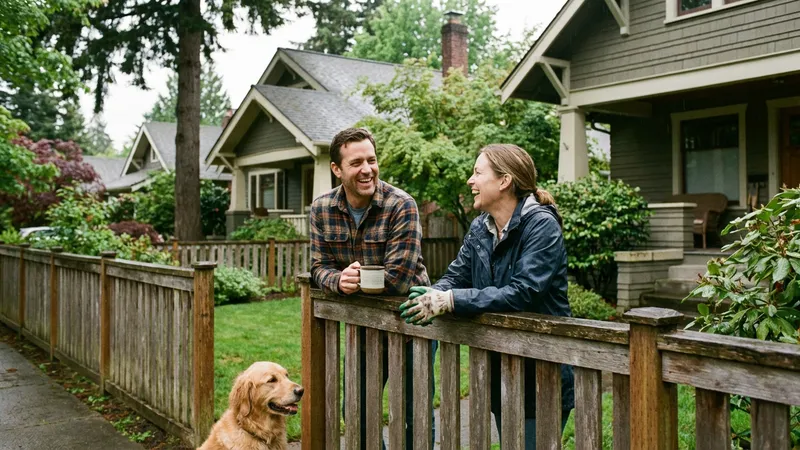
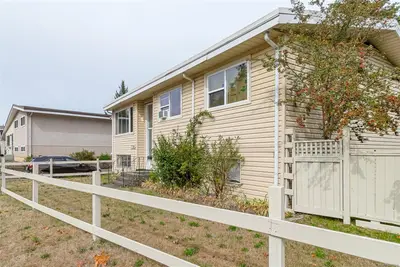
Successful land assemblies often begin with conversations between neighbours who recognize the shared opportunity in combining their properties.
Step 1: Identify the Opportunity
Not all adjacent lots make good assembly candidates. Ideal assemblies involve:
- Lots with similar ownership timelines (owners ready to sell at similar times)
- Properties in areas where combined density significantly exceeds individual potential
- Sites with compatible geometry (similar depth, no awkward angles)
- Adequate street frontage for the intended development
Step 2: Coordinate with Neighbours
The most successful assemblies happen when property owners work together proactively. This approach, sometimes called a "friendly assembly", typically yields better outcomes for all parties than competitive acquisition by a developer. Owners who approach a developer together have significantly more negotiating leverage than individual sellers.
Step 3: Engage Professionals
A land assembly requires coordination between multiple professionals:
- A real estate agent experienced in development land (not just residential resales)
- A land-use planner or development consultant to assess what can be built
- A surveyor to confirm lot boundaries and consolidation requirements
- Legal counsel to structure the assembly agreement
Step 4: Market or Develop
Assembled land can be sold to developers, joint-ventured with a development partner, or (for more sophisticated owners) developed directly. Each approach has different risk-return profiles and capital requirements.
Common Pitfalls
- Holdout risk: If one owner refuses to participate, the assembly may not be viable. This is why early coordination is critical.
- Unequal lot values: Corner lots, larger lots, and lots with better access may command different values within an assembly. Fair allocation of assembly premium requires professional valuation.
- Environmental issues: Contamination, significant trees, or riparian areas on any lot can affect the entire assembly.
- Servicing constraints: Sewer and water capacity must be verified for the combined development, not just individual lots.
- Timing risk: If the market changes between when the first and last lots are acquired, the economics can shift significantly.
Assess Your Assembly Potential
Wondering if your property, or your property combined with a neighbour's, has development potential? Our development potential assessment guide and free assessment tool analyze lot characteristics, zoning, and proximity to transit to estimate what could be built.
Assess Your PropertyRelated Reading
- Part 1: Bill 44 & SSMUH — What You Can Now Build on Your Lot
- Part 2: Transit-Oriented Areas on Vancouver Island
- Part 3: Bill M-216 — The Professional Reliance Act
- Part 5: How to Assess Development Potential on Vancouver Island
Disclaimer: This article provides general information about land assembly strategies as of February 2026. Land assembly involves significant financial and legal complexity. Always consult with qualified real estate, legal, and planning professionals before proceeding. This is not legal or financial advice.