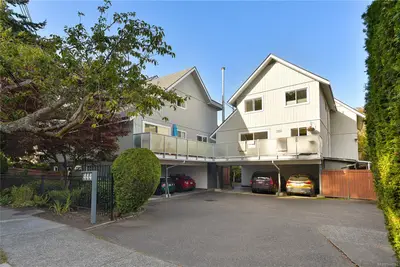
BC's Transit-Oriented Areas (TOA) legislation, passed as Bill 47 in November 2023, mandates significant density increases around major transit exchanges across the province. For Vancouver Island, this means properties near designated bus exchanges could see dramatic increases in permitted building height and density. Here's what property owners and investors need to know.
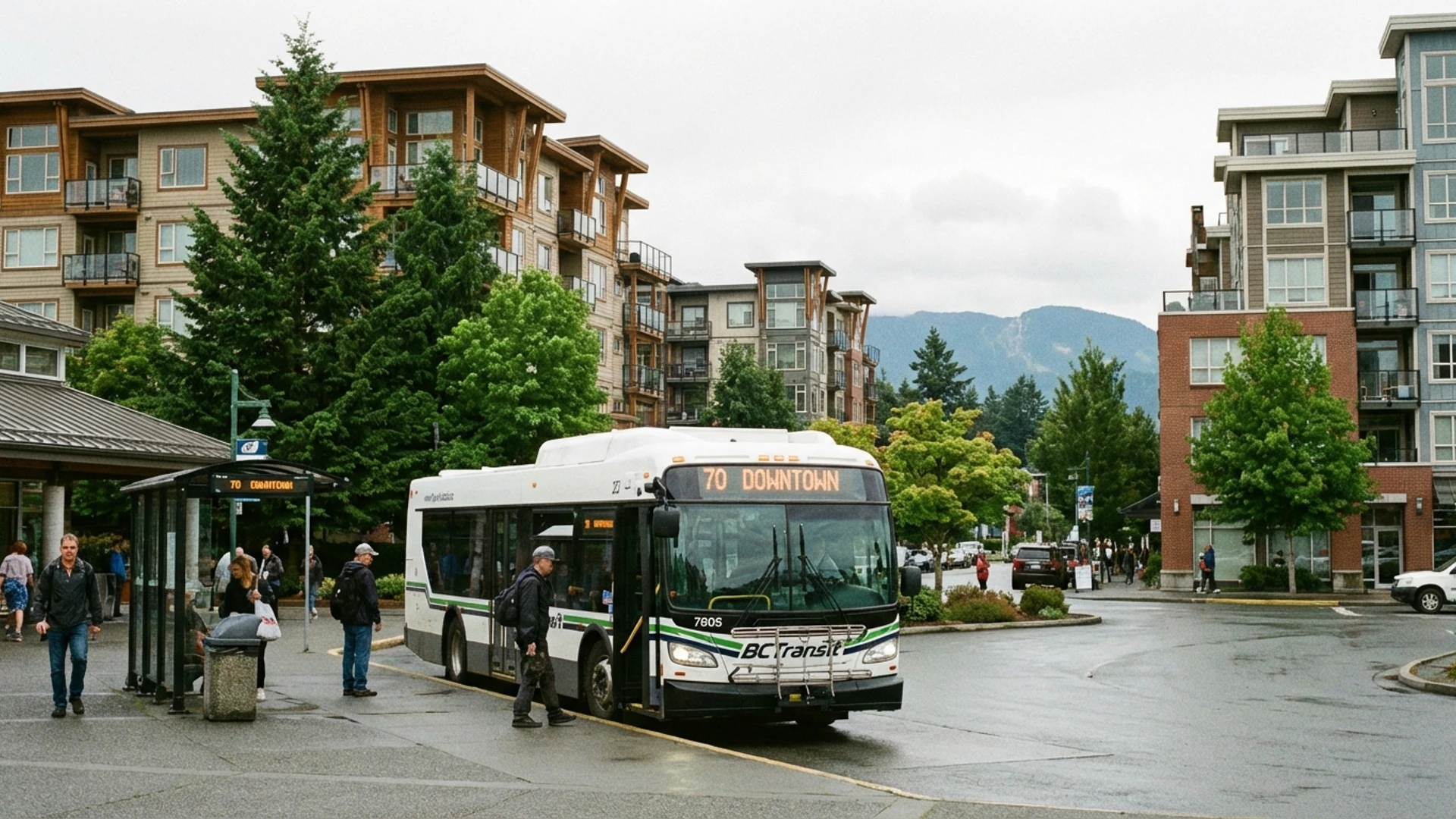
Transit exchanges like this one are at the centre of BC's TOA legislation, which mandates increased density within a 400-metre radius.
What Are Transit-Oriented Areas?
TOAs are zones designated around major transit stations and bus exchanges where the province requires municipalities to allow significantly higher density than standard zoning would permit. The goal is to concentrate housing near transit infrastructure, reducing car dependency and making better use of existing public transit investment.
Unlike SSMUH rules that apply broadly across Greater Victoria, TOAs target specific locations where transit infrastructure already exists, creating focused pockets of higher-density development opportunity. Our SSMUH vs Transit-Oriented Areas comparison explains the key differences between these two frameworks.
Vancouver Island's Designated TOA Sites
Seven Vancouver Island municipalities are required to designate Transit-Oriented Areas. The specific bus exchanges designated under provincial legislation include:
Greater Victoria Region
UVic Exchange (University of Victoria)
Located in Saanich, this is one of the busiest transit hubs in Greater Victoria, serving over 17,000 daily passengers across 14 routes with 21 transit bays. Properties within 400m of the exchange are now subject to TOA density requirements, creating significant development potential in the Gordon Head area.
Uptown Exchange
Located near the Uptown Shopping Centre in Saanich, this exchange serves as a major transfer point for routes connecting downtown Victoria to the Western Communities and Saanich. The surrounding area already features mid-rise commercial development, and TOA designation accelerates residential density.
Royal Oak Exchange
A key transit hub in Saanich connecting north-south corridors. The Royal Oak area features a mix of commercial and residential properties that are now positioned for higher-density redevelopment under TOA rules.
Langford Exchange
The primary transit hub for the fast-growing Western Communities. Langford's rapid population growth and existing commercial development around the exchange make this one of the most active TOA zones on Vancouver Island.
Colwood Exchange
Serving the Colwood and West Shore corridor, this exchange connects commuters to downtown Victoria and other Western Communities. Many of these riders originate further west in Sooke real estate areas and feed into the Colwood and Langford exchanges during peak hours, which is part of why these westshore TOAs are seeing strong demand. TOA designation around the exchange opens up density on lots that were previously restricted to single-family zoning, complementing Colwood's broader growth plans.
View Royal Exchange
A transit hub linking View Royal to the broader Greater Victoria network along the Trans-Canada Highway corridor. Properties near this exchange benefit from TOA density allowances in an area that has seen steady residential and commercial growth.
Legislature Exchange (Downtown Victoria)
The central transit hub adjacent to the BC Legislature and Inner Harbour. While downtown Victoria already permits higher density, the TOA designation removes remaining barriers and parking minimums for residential development.
Nanaimo Region
Country Club Exchange
Central Nanaimo transit hub near the Country Club Mall area.
Woodgrove Exchange
North Nanaimo hub near the Woodgrove Centre, one of Vancouver Island's largest shopping centres.
VIU Exchange (Vancouver Island University)
Serves the university campus and surrounding residential areas in central Nanaimo.
Downtown Nanaimo Exchange
The commercial core transit hub for downtown Nanaimo and the waterfront area.
TOA Density Requirements
For bus exchanges outside Metro Vancouver (which includes all Vancouver Island TOAs), the provincial minimums are:
| Distance from Exchange | Maximum Height | Floor Area Ratio (FAR) |
|---|---|---|
| Within 200 metres | Up to 10 storeys | Up to 3.5 FAR |
| 200 to 400 metres | Up to 6 storeys | Up to 2.5 FAR |
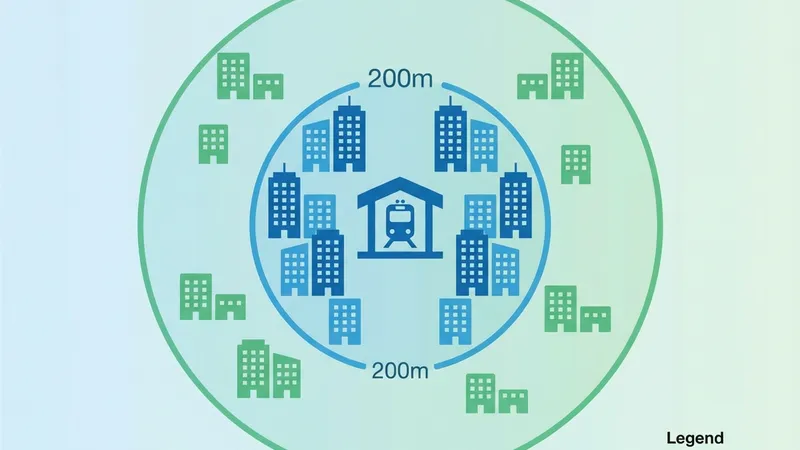
TOA density is tiered by distance from the transit exchange, with highest density within 200 metres and stepping down to 400 metres.
These are minimum requirements, and municipalities can choose to allow even greater density. The key takeaway is that properties within 400 metres of a designated exchange must be permitted for significantly more development than traditional single-family zoning would allow.
Parking Requirements Eliminated
One of the most significant provisions: municipalities cannot impose minimum residential parking requirements within TOA zones (except for accessible parking). This dramatically changes the economics of development by:
- Reducing construction costs (underground parking can cost $50,000 to $80,000 per stall)
- Allowing more buildable area on constrained lots
- Making smaller-scale developments financially viable
- Encouraging transit use and active transportation
The UVic Exchange Opportunity
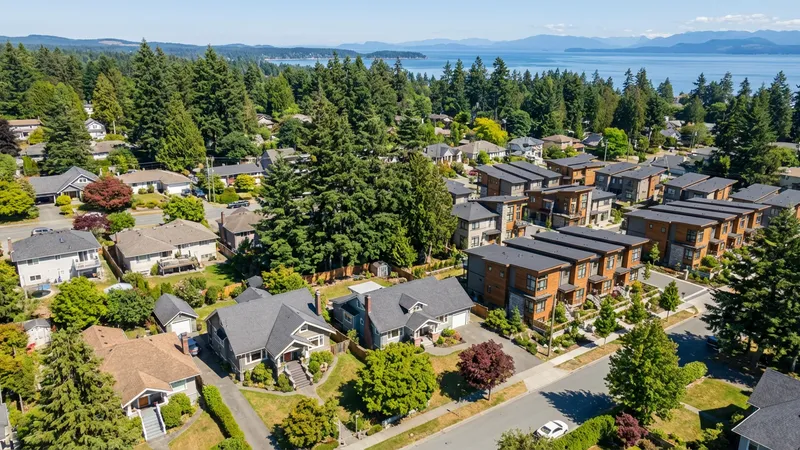
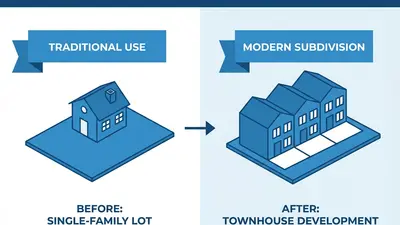
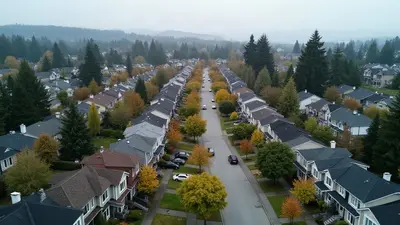
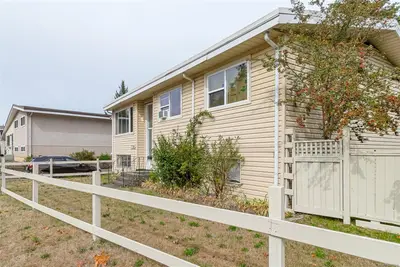
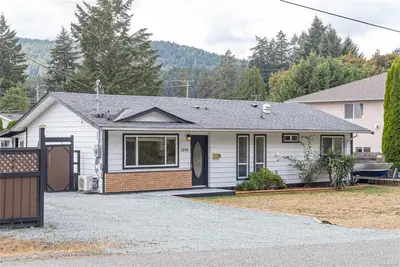
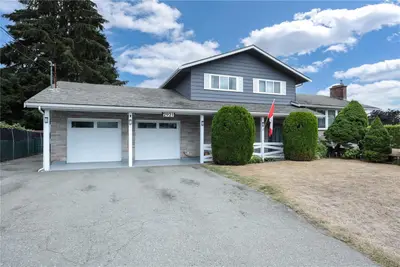
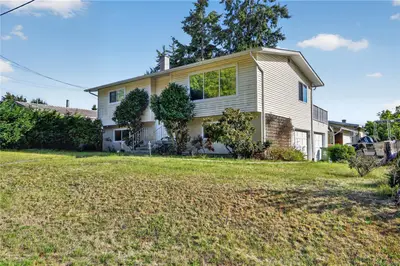
Neighborhoods near major transit exchanges are seeing a mix of traditional single-family homes alongside newer multi-unit developments, a transition the TOA legislation is designed to accelerate.
The UVic Exchange is particularly noteworthy for development potential. As one of Greater Victoria's busiest transit hubs, it anchors a network of 14 bus routes serving students, faculty, hospital staff (Royal Jubilee Hospital is nearby), and the broader Gordon Head community. The surrounding area includes:
- Established single-family residential neighborhoods with larger lots
- Proximity to the University of Victoria campus, a major employment and education centre
- Nearby Royal Jubilee Hospital, one of the region's largest employers
- Existing commercial services along Shelbourne Street and Cedar Hill Cross Road
- Parks, schools, and community amenities
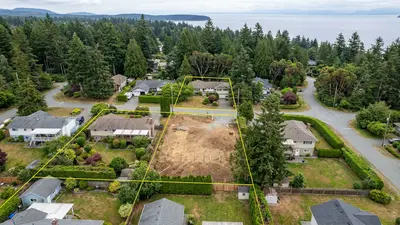
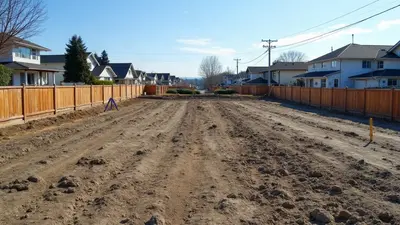
For property owners within 400 metres of the UVic Exchange, this creates a transformative opportunity. A standard single-family lot that was previously limited to one home plus a secondary suite could now potentially support a 6-storey, 3.5 FAR development (if within 200m) or a 6-storey, 2.5 FAR development (if within 200-400m). Our guide to assessing development potential in Victoria, BC walks through how to evaluate these opportunities. You'll also want to assemble the right team of development consultants to move from analysis to execution.
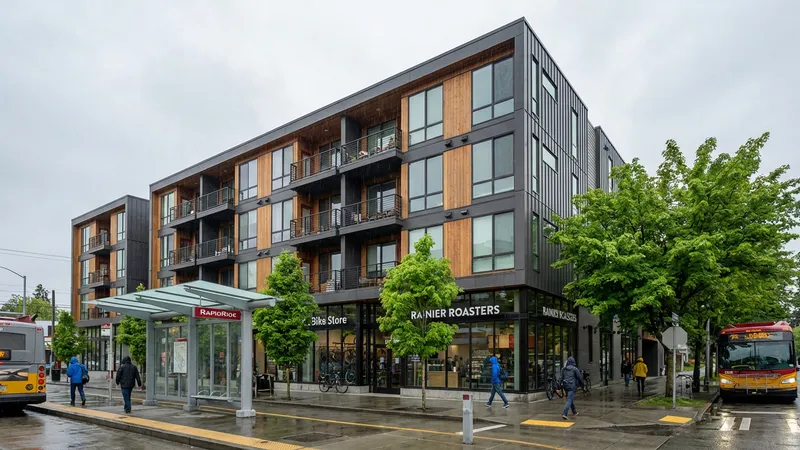
Transit-oriented development typically blends ground-level commercial space with residential units above, creating walkable, mixed-use neighborhoods.
Municipalities Required to Designate TOAs
Seven Vancouver Island municipalities must comply with TOA legislation:
- Victoria, Legislature Exchange
- Saanich, UVic Exchange, Uptown Exchange, Royal Oak Exchange
- Langford, Langford Exchange
- Colwood, Colwood Exchange
- View Royal, View Royal Exchange
- Nanaimo, Country Club, Woodgrove, VIU, Downtown exchanges
- Lantzville
Interaction with SSMUH
TOA legislation works alongside, and in addition to, the Bill 44 density rules covered in Part 1 of this series. In practice:
- Properties outside both TOA and SSMUH zones follow existing municipal zoning
- Properties in SSMUH areas (but outside TOAs) can build up to 4 units, or up to 6 units near frequent transit bus service
- Properties within TOA zones get the highest density allowances (up to 10 storeys)
- Where SSMUH and TOA overlap, the more permissive standard applies
Is Your Property in a TOA Zone?
Our Development Potential Assessment tool checks your property's proximity to designated transit exchanges and calculates what density may be permitted under TOA and SSMUH legislation.
Check Your PropertyKey Government Resources
- BC Government: Transit-Oriented Development Areas
- Provincial Policy Manual: Transit-Oriented Areas (PDF)
- District of Saanich: Transit-Oriented Areas
Disclaimer: This article provides general information about BC TOA legislation as of February 2026. Specific TOA boundaries are set by individual municipalities and may differ from the 400m radius described here. Consult your local planning department for exact TOA boundaries and applicable regulations. This is not legal advice.