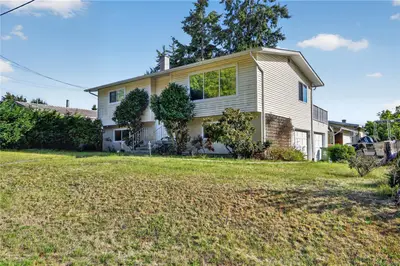
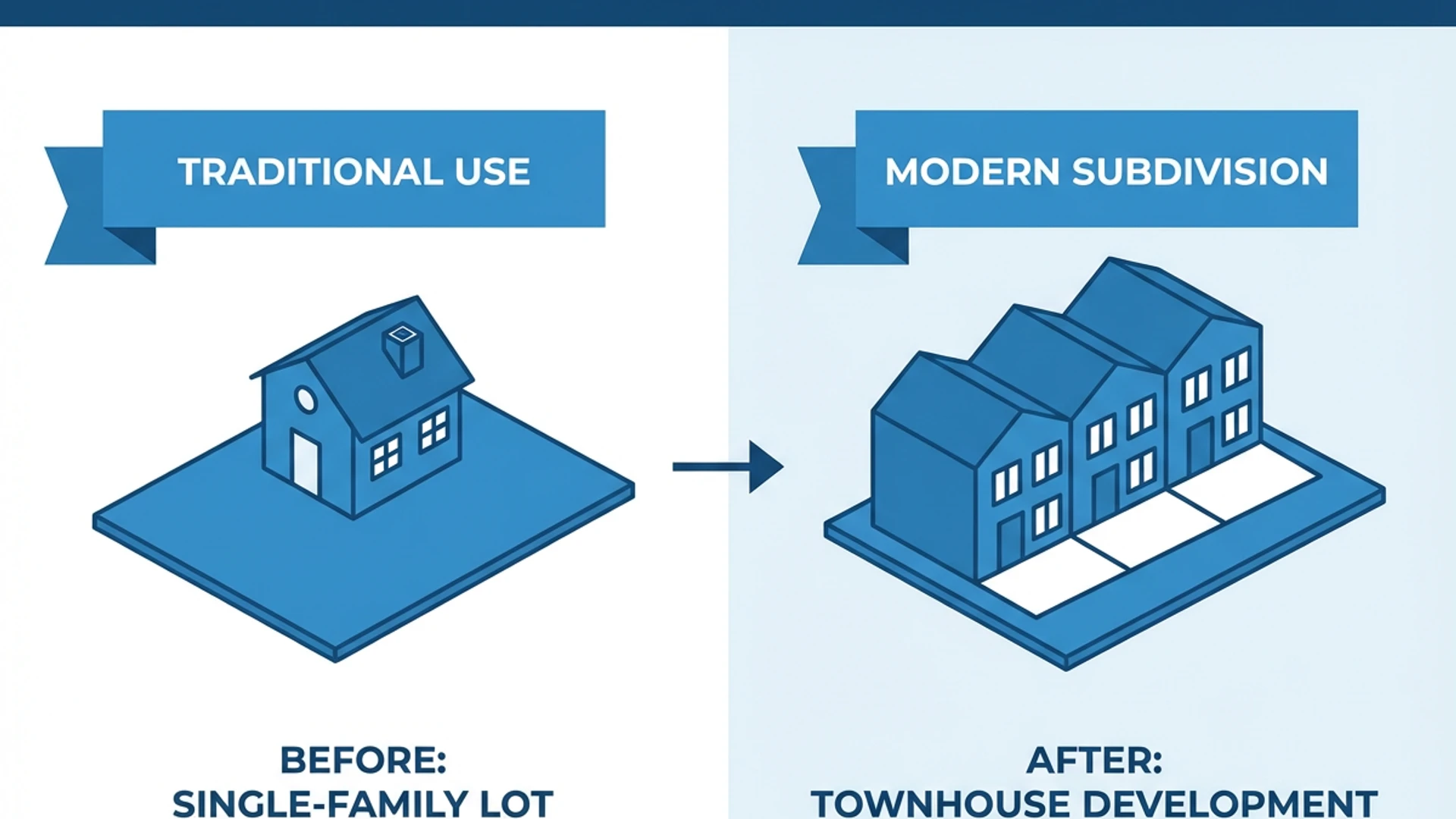
While Bill 44 (SSMUH) and Bill 47 (TOAs) get the most attention, another piece of BC legislation could reshape how quickly development projects move forward: Bill M-216, the Professional Reliance Act. Introduced in October 2025 by Nanaimo-Lantzville MLA George Anderson, this Private Member's Bill proposes a fundamental change in how local governments process development approvals across the province, not just for subdivision or SSMUH projects, but for all development applications.
Update — April 10, 2026
Bill M-216 has been withdrawn. On April 9, 2026, MLA George Anderson formally asked the Select Standing Committee on Private Bills and Private Members' Bills to stop considering the Professional Reliance Act. Housing Minister Christine Boyle issued a statement the same afternoon supporting the decision, noting that the Ministry of Housing and Municipal Affairs will continue engaging with stakeholders on ways to reduce permitting timelines. UBCM responded the next day saying it is "pleased with the Province's decision to rescind Bill M216." Of 488 written submissions to the Committee, the vast majority were opposed, and 77 municipalities weighed in.
While the bill itself will not become law, the underlying policy direction (faster approvals through professional reliance) is not gone, just being reworked inside the Ministry. For Vancouver Island property owners, current municipal review timelines remain unchanged for now. Source: Minister's statement, April 9, 2026 · UBCM, April 10, 2026
Update — March 11, 2026
Bill M216 passed second reading with unanimous NDP support and is now at Committee stage. On March 11, an NDP chair cast the deciding vote to defeat a Conservative motion that would have set the bill aside, meaning it continues to advance. The Union of BC Municipalities has stated that the bill was developed without technical input from the Ministry of Housing and Municipal Affairs, and over 70 local governments submitted opposition. Of 484 public submissions received by the Committee, 88% were opposed. UBCM President Cori Ramsay has called on Housing Minister Christine Boyle to publicly state whether she supports the bill. Source: UBCM, March 11, 2026
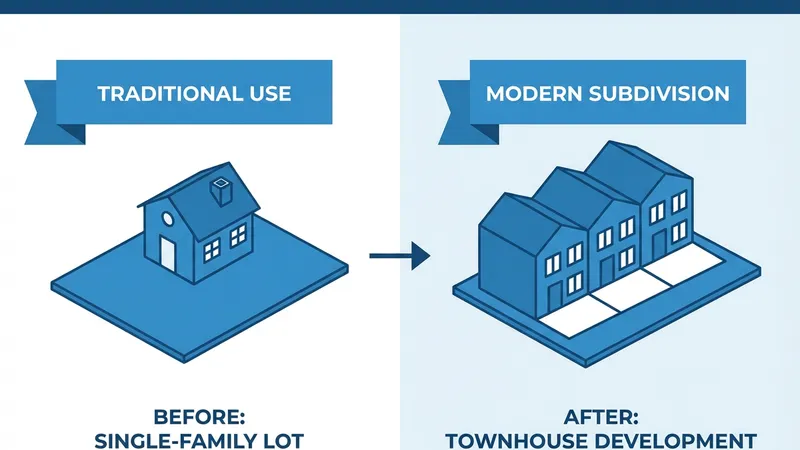
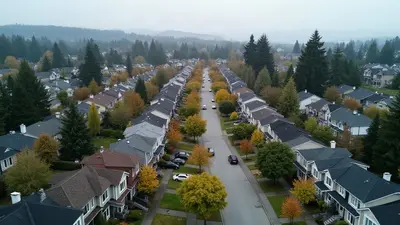
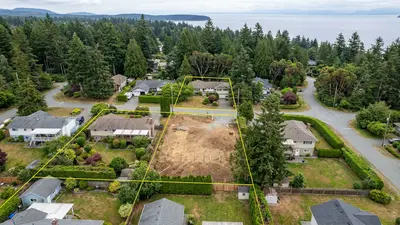
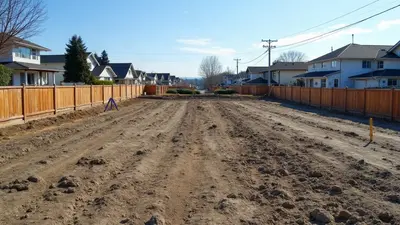
Bill M-216 targets the approval bottleneck that slows development projects across BC, from simple subdivisions to large-scale multi-unit builds.
The Problem Bill M-216 Addresses
Anyone who has applied for a development permit, subdivision, or rezoning on Vancouver Island knows the frustration: you hire qualified professionals (engineers, geotechnical consultants, environmental scientists, land surveyors) to prepare technical submissions, then wait months for municipal staff to review work that was already completed by licensed experts. In many cases, municipal reviewers request additional studies or second opinions on reports prepared by fully regulated professionals, adding cost and delay without clear justification.
This duplication of effort is a significant bottleneck. On Vancouver Island, development applications routinely take 12 to 24 months or longer to process. The professional fees for repeated revisions and supplementary reports can add $50,000 to $150,000 or more to a project's soft costs.
What Bill M-216 Actually Proposes
The Professional Reliance Act establishes a straightforward principle: when a developer submits technical work that has been certified by a regulated professional acting within their scope of practice, the local government must accept that submission as meeting permit or bylaw requirements. The bill applies to all development project approvals, including subdivisions, rezonings, development permits, building permits, and any other land use application that requires technical submissions.
Key Provisions of Bill M-216
- 1.Mandatory acceptance: Local governments must accept any technical submission certified by a PGA (Professional Governance Act) professional acting within their regulated scope of practice, unless the submission is incomplete or a formal complaint has been filed with the Superintendent
- 2.No municipal peer review: A local government cannot require a peer review of a certified submission unless specifically authorized by the Superintendent of Professional Governance
- 3.Dispute resolution: When a municipal employee (who is also a PGA professional) disagrees with an applicant's PGA professional, the dispute goes to the Superintendent for resolution rather than being decided unilaterally by the municipality
- 4.Liability shift: The certifying professional assumes liability for damages resulting from reliance on their certification, and local governments are protected from legal action on certified submissions
- 5.Local zoning preserved: The bill explicitly does not limit a local government's ability to establish zoning bylaws, development permit areas, or official community plans
Who Are PGA Professionals?
PGA professionals are registrants in good standing of regulatory bodies listed under BC's Professional Governance Act. This includes engineers (EGBC), geoscientists, biologists, agrologists, forest professionals, and applied science technologists (ASTTBC), among others. These are the same professionals that developers and property owners already hire to prepare technical reports for municipal applications.
Why This Matters for Vancouver Island Development
Bill M-216's impact extends well beyond subdivision. Consider how it affects the full range of development activities now possible under SSMUH in Greater Victoria and TOA legislation:
Practical Example: Fourplex Development in Saanich
A property owner near UVic Exchange wants to build a fourplex under SSMUH. Today's process:
- Current reality: The owner hires a geotechnical engineer, a civil engineer, and an environmental consultant. Their reports are submitted to Saanich, which may request revisions, additional studies, or independent peer reviews. Timeline: 6 to 18 months for approvals alone.
- Under Bill M-216: The same professionals prepare and certify their reports. Saanich must accept those certified submissions as meeting requirements. If a municipal engineer disagrees, the dispute goes to the Superintendent rather than stalling the application indefinitely.
This same dynamic applies to TOA projects near transit exchanges, land assemblies along major corridors, commercial developments, and any other project requiring technical submissions. The bill does not change what you can build (that is governed by zoning, SSMUH and TOA rules), but it changes how quickly you can get approval to build it. Use our development potential assessment guide to understand what's possible on your property before navigating the approval process.
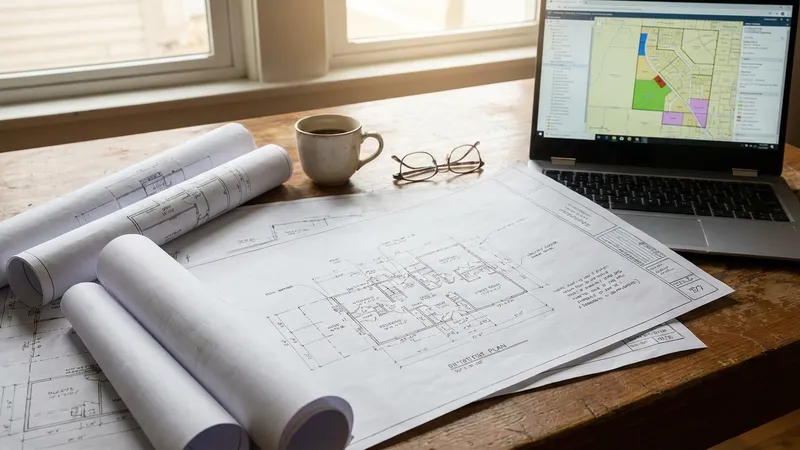
Professional engineers, geoscientists, and environmental scientists already prepare the technical submissions required for development approvals. Bill M-216 would require municipalities to accept their certified work.
The Debate Around Bill M-216
The bill has drawn strong reactions from both supporters and critics:
Supporters argue:
- Regulated professionals are already accountable through their licensing bodies and carry professional liability insurance
- Municipal review of professionally certified work is redundant and costly
- Faster approvals are essential to meeting BC's housing targets
- The bill preserves local control over zoning and land use policy, only streamlining the technical review process
Critics raise concerns about:
- Reduced ability for municipalities to protect environmentally sensitive areas, watersheds, and drinking water sources
- Loss of independent checks on technical work, particularly in areas with complex geotechnical or environmental conditions
- Potential conflicts of interest when the professional is retained and paid by the applicant
- The Union of BC Municipalities (UBCM) and environmental organizations like West Coast Environmental Law have raised concerns about removing local safeguards
Current Status
As of April 2026, Bill M-216 has been withdrawn and will not become law. The bill passed first reading in October 2025 and second reading in November 2025, then went to the Select Standing Committee on Private Bills and Private Members' Bills for review. After 488 public submissions (the vast majority opposed) and 77 municipalities weighing in, MLA George Anderson asked the Committee on April 9, 2026 to stop considering the bill. Housing Minister Christine Boyle supported the decision the same day, and UBCM publicly thanked the Province for rescinding it on April 10.
That said, the Ministry of Housing and Municipal Affairs has signalled it will continue working with stakeholders on ways to reduce permitting timelines. So the underlying policy direction (reducing duplication between professional certification and municipal review) is being absorbed back into the Ministry for further work, rather than disappearing entirely. Expect this theme to resurface in BC housing policy over the next 12 to 24 months.
What This Means for Your Property
For Vancouver Island property owners considering development of any kind:
- Understand the approval process: Know what technical submissions your municipality requires and plan for current timelines, but be aware that the process may accelerate
- Hire regulated professionals: Working with PGA-registered engineers, geoscientists, and environmental consultants ensures your submissions meet professional standards, which positions your project well regardless of whether M-216 passes. Our development consultants guide for BC covers each professional you may need
- Factor approval timelines into project economics: Carrying costs during approval delays significantly affect project feasibility, especially for smaller developments
- Stay informed: The regulatory landscape for development approvals in BC is evolving quickly, and changes can materially affect property values and project economics
Evaluate Your Development Potential
Our Development Potential Assessment analyzes your property's zoning, lot characteristics, and proximity to transit to estimate what could be built under current SSMUH and TOA rules.
Assess Your PropertyRelated Reading
- Part 1: Bill 44 & SSMUH — What You Can Now Build on Your Lot
- Part 2: Transit-Oriented Areas on Vancouver Island
- Part 4: Land Assemblies — When Neighbours Build Together
Disclaimer: This article provides general information about Bill M-216, the Professional Reliance Act, a Private Member's Bill introduced by MLA George Anderson (Nanaimo-Lantzville) in October 2025 and formally withdrawn in April 2026. The article is retained as a record of the proposal and the policy direction it represents, which the Ministry of Housing and Municipal Affairs has indicated will continue to inform future work. Always consult with qualified legal and planning professionals before making development decisions. This is not legal advice.