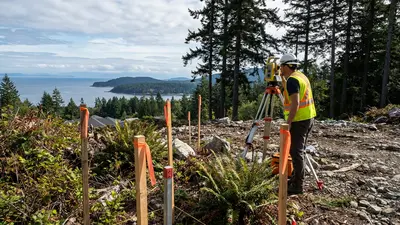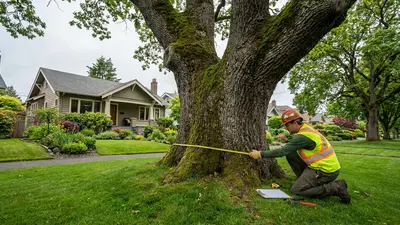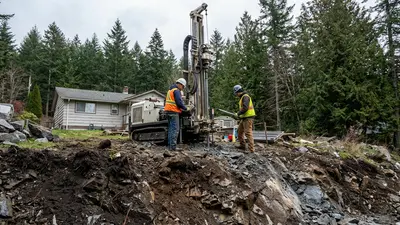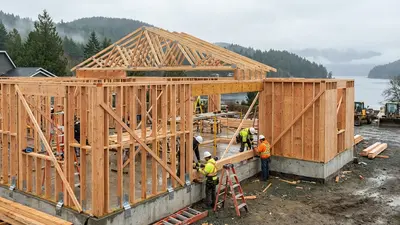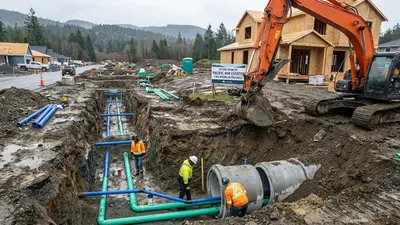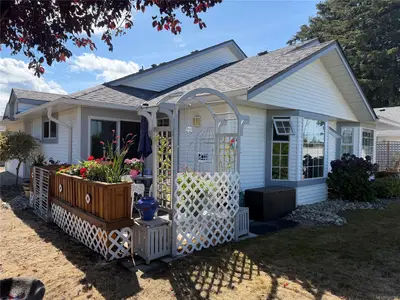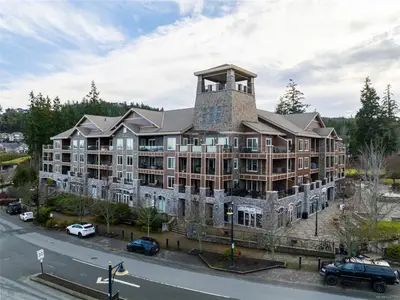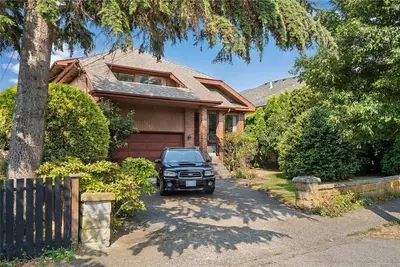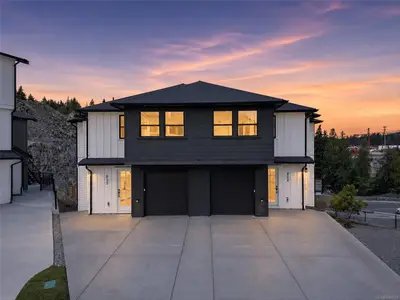
The architect is the central coordinator of your development team. They take site data from your surveyor, arborist, geotech, and environmental consultant. Then they translate it into a building that meets your goals, fits the site, satisfies BC Building Code requirements, and navigates the municipal approval process. In British Columbia, the architect's role carries specific legal responsibilities that don't exist in most other provinces.
AIBC Registration: Who Can Design What in BC
In British Columbia, the practice of architecture is regulated by the Architectural Institute of British Columbia (AIBC). Only AIBC-registered architects can use the title "architect" and stamp drawings for Part 3 buildings under the BC Building Code.
This regulation exists to protect public safety. Architects complete a professional degree, a multi-year internship, and rigorous examinations before registration. They carry professional liability insurance and are subject to the AIBC's code of ethics and professional conduct.

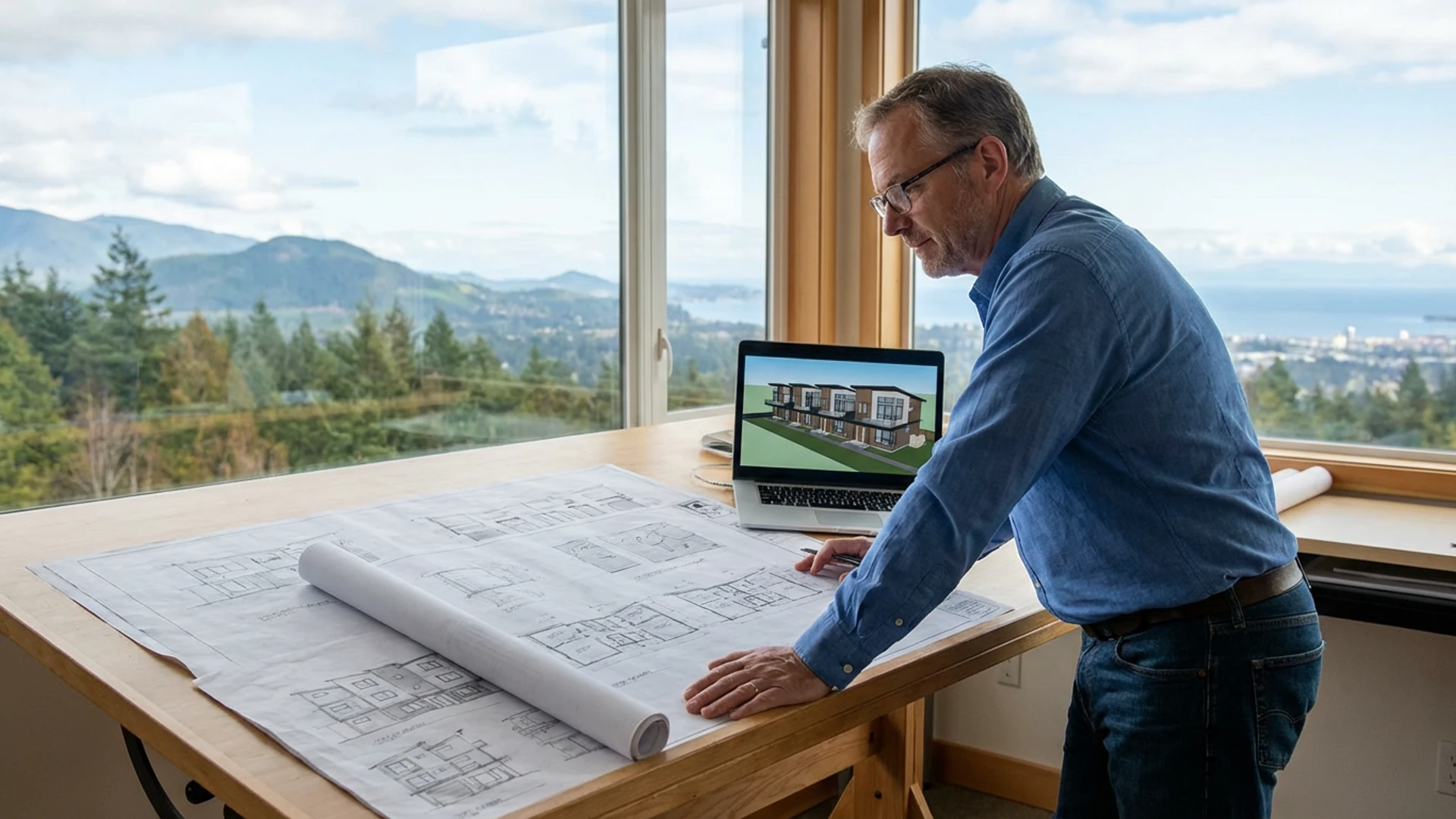
An architect reviewing detailed construction drawings, translating project goals into buildable designs that comply with the BC Building Code.
Part 9 vs. Part 3: When You Need an Architect vs. a Building Designer
The BC Building Code divides buildings into two regulatory streams, and this division determines who can design your project:
- Part 9: Applies to residential buildings up to 600 m² in building area and up to three storeys. This covers most houses, garden suites, duplexes, triplexes, and fourplexes. Part 9 buildings can be designed by a registered architect or by a qualified building designer; an architect is not legally required.
- Part 3: Applies to buildings that exceed Part 9 limits, generally over 600 m² or over three storeys, and all buildings with certain uses (high-hazard, assembly, etc.). Part 3 buildings require the involvement of a registered AIBC architect.
This distinction is particularly relevant for SSMUH projects. Garden suites, duplexes, and most fourplexes fall within Part 9, meaning a qualified building designer may be sufficient. However, projects pushing toward 5–6 units or larger building areas may cross into Part 3 territory, triggering the architect requirement. Understanding this threshold early prevents costly mid-project transitions.
BCBC Specifics That Shape Design on Vancouver Island
The BC Building Code contains several requirements that directly influence how buildings are designed on Vancouver Island:
- Fire separations: Multi-unit buildings require fire-rated separations between dwelling units. The rating and construction method vary based on building size and number of units; this is a key driver of construction cost and building design for SSMUH projects
- Accessibility: BC is progressively expanding accessibility requirements. Multi-unit buildings increasingly require adaptable units and accessible common areas, affecting floor plans and common space design
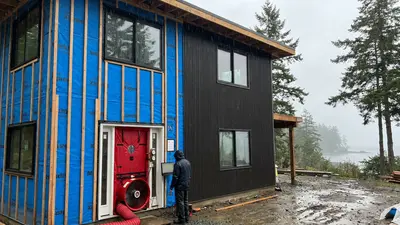
- BC Energy Step Code: The architect must integrate Step Code requirements into the building design from the start: wall assemblies, window specifications, mechanical systems, and building form all affect energy performance. Retrofitting Step Code compliance into a design developed without it is expensive and often ineffective
- Seismic design: While the structural engineer handles detailed seismic calculations, the architect's design decisions, building shape, floor plate regularity, shear wall locations, fundamentally affect seismic performance
Designing for Vancouver Island's Climate
Vancouver Island's climate demands specific design responses. Heavy rainfall, moderate temperatures, high humidity, and significant seismic risk all shape how buildings must be designed here.
The architect must balance rain protection — covered entries, generous roof overhangs, rain screen wall assemblies — with moisture management, seismic resilience, and the owner's program and budget. These are competing priorities that require skill to resolve.
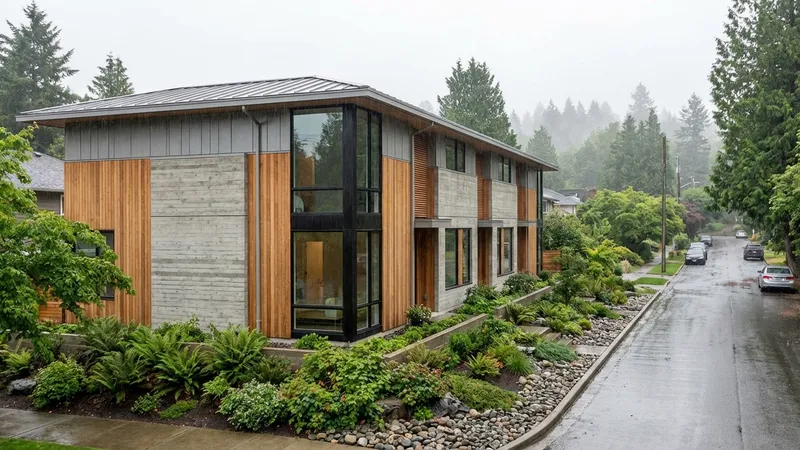
A contemporary multi-unit development showcasing West Coast design principles: cedar cladding, rain screen construction, and integration with the natural landscape.
What the Architect Delivers
Architectural services for residential development typically proceed through defined phases:
- Schematic design: Preliminary floor plans, elevations, and site layout exploring how the building can fit the site within zoning and code constraints
- Development Permit drawings: The package submitted to the municipality showing how the building's form, materials, and landscaping comply with Development Permit Area guidelines
- Building Permit drawings: Detailed construction drawings with specifications sufficient for building permit review and construction
- Construction administration: Site visits during construction to verify the building is being built in accordance with the drawings, and review of shop drawings and material substitutions
Letters of Assurance: BC's Professional Accountability System
BC's Letters of Assurance system (Schedules A, B, and C-B) is unique in Canada. It creates clear professional accountability for building design and construction:
- Schedule A: Filed at building permit application by the owner, identifying the Coordinating Registered Professional (typically the architect) and all other registered professionals on the project
- Schedule B: Filed by each registered professional (architect, structural engineer, mechanical engineer, etc.) confirming their design complies with the BC Building Code for their area of responsibility
- Schedule C-B: Filed at project completion by each registered professional confirming that construction was carried out in general conformance with their design
This system means the architect isn't just drawing plans — they are legally certifying that their design meets the code. This professional accountability is what makes AIBC registration meaningful and is one reason municipalities require it for Part 3 buildings.
BC's Free SSMUH Standardized Designs
The Province of British Columbia has released 10 free standardized design concepts for SSMUH housing types. These designs reduce soft costs and accelerate housing delivery for garden suites, duplexes, and fourplexes.
They still require adaptation for specific sites and local municipal requirements. However, they provide a significantly lower-cost starting point compared to custom architectural design from scratch.
Typical Costs on Vancouver Island
| Project Type | Typical Cost Range |
|---|---|
| Garden suite / ADU design | $8,000–$20,000 |
| Duplex / triplex | $15,000–$35,000 |
| Fourplex | $25,000–$50,000 |
| Multi-unit (5+ units) | 8–15% of construction cost |
Fees vary based on project complexity, site conditions, number of revision rounds, and whether construction administration is included. Using BC's standardized SSMUH designs can reduce costs for simpler projects.
How to Choose an Architect
- Verify AIBC registration: Confirm the architect is currently registered through the AIBC directory
- Residential development experience: An architect experienced with multi-unit residential, SSMUH projects, and municipal approval processes on Vancouver Island will navigate the process more efficiently
- Step Code experience: As energy requirements increase, experience with Step Code compliance from schematic design onward is increasingly important
- Clear fee structure: Understand whether the fee is fixed or percentage-based, what phases are included, and what constitutes additional services
Check Your Property's Development Potential
Before engaging an architect, understand what your property's zoning allows. Our development potential assessment guide and free tool analyze your Vancouver Island property against SSMUH, TOA, and subdivision regulations.
Start Your AssessmentThe Complete Consultant Guide Series
- Overview: Building Your Development Team
- Part 1: BC Land Surveyor (BCLS)
- Part 2: Certified Arborist
- Part 3: Geotechnical Engineer
- Part 4: Building Architect (AIBC) — You Are Here
- Part 5: Structural Engineer
- Part 6: Civil Engineer
- Part 7: Building Envelope Consultant + Energy Advisor
- Part 8: Landscape Architect (BCSLA)
- Part 9: Environmental Consultant (QEP)
- Part 10: Traffic Engineer
Disclaimer: This article provides general information about architectural services and building code requirements in BC as of February 2026. Requirements vary by municipality and project type. Always confirm specific requirements with your local planning department and engage qualified professionals for your project. This is not legal or professional advice.