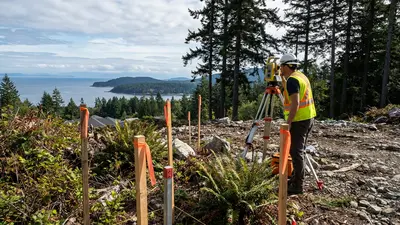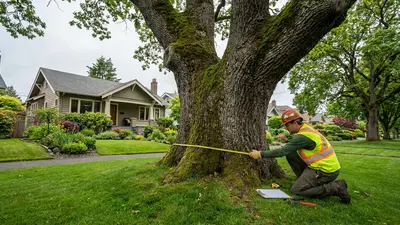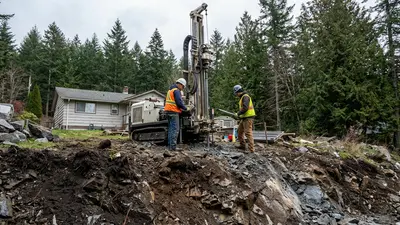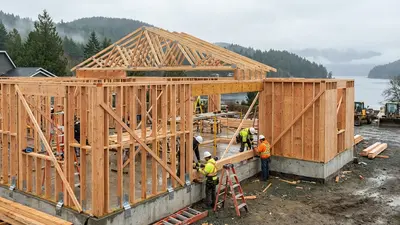
Civil engineering is the infrastructure backbone of any development project. The architect designs the building and the structural engineer ensures it stands up. The civil engineer designs everything that connects the building to the outside world: water supply, sanitary sewer, stormwater management, road access, and site grading. On Vancouver Island, where aging infrastructure meets rapid densification under Bill 44 and strict environmental standards, civil engineering is often the most complex and expensive component of the development process. The civil engineer is a critical member of the development consultant team.
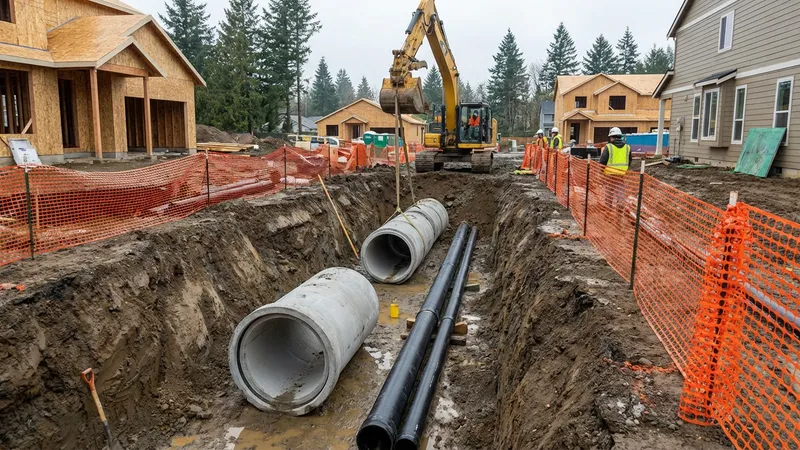
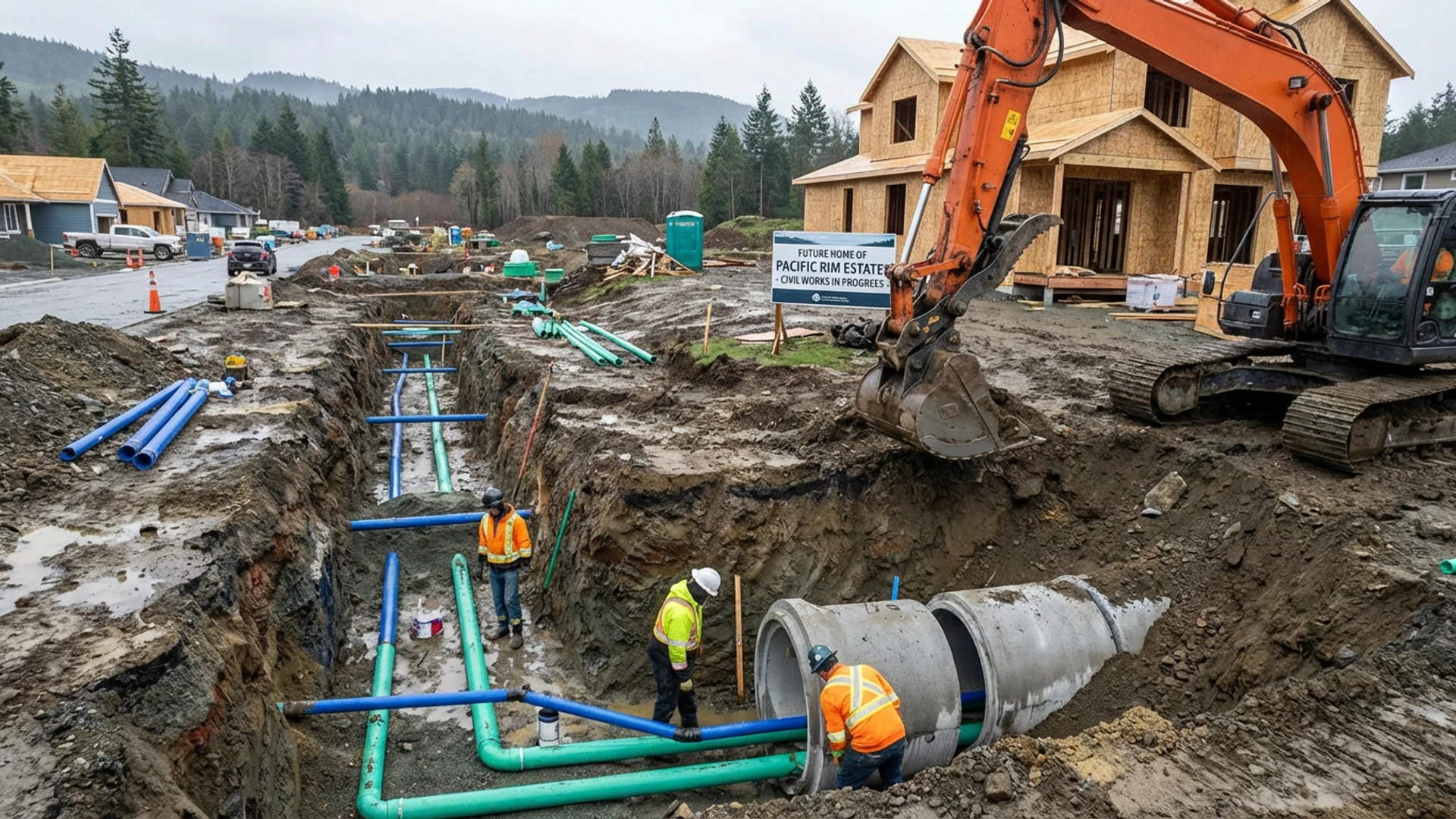
Storm and sanitary sewer installation in a residential subdivision, the underground infrastructure that makes multi-unit development possible.
Servicing Requirements for Development in BC
Every municipality in BC requires that new development be adequately serviced — connected to water, sewer, and stormwater systems or provided with on-site alternatives. The civil engineer designs these connections and demonstrates to the municipality that the existing infrastructure can handle the additional demand.
For subdivisions, the civil engineer typically designs the entire servicing layout: new roads, water mains, sewer mains, stormwater systems, and utility corridors. For infill development under SSMUH in Greater Victoria, the scope is smaller but still requires demonstrating that existing services can handle the additional load. Use our development potential assessment guide to understand servicing constraints before engaging a civil engineer.
Municipal Standards: A Patchwork of Requirements
One of the challenges of development on Vancouver Island is that every municipality sets its own engineering standards. The Capital Regional District (CRD) provides regional infrastructure for Greater Victoria, but individual municipalities — Victoria, Saanich, Langford, Colwood, Sooke, Oak Bay, Esquimalt, View Royal, Central Saanich, North Saanich, and Sidney — each have their own bylaws, design standards, and approval processes.
Beyond Greater Victoria, the Regional District of Nanaimo (RDN) and municipalities like Nanaimo, Parksville, and Qualicum Beach have their own requirements. The CRD manages regional infrastructure like the core area liquid waste management program, but local servicing standards are set at the municipal level.
A civil engineer experienced with your specific municipality understands their standards and can design accordingly. Unfamiliarity with local requirements can force costly redesigns.
Sanitary Sewer: The Biggest Constraint
In older Greater Victoria neighbourhoods — particularly parts of Victoria, Oak Bay, Saanich, and Esquimalt — sanitary sewer capacity is frequently the single most significant constraint on development. Many of these systems were designed 50–80 years ago for single-family homes and are now being asked to accommodate significantly more density under SSMUH legislation.
The civil engineer must demonstrate that the existing sewer system can handle the additional flow from the proposed development. If it can't, the developer may be required to upgrade the sewer main. Depending on the length and depth of pipe involved, this expense can run into tens or even hundreds of thousands of dollars.
Some municipalities have proactively assessed sewer capacity and identified areas where densification is feasible versus areas where infrastructure upgrades are needed first. Understanding this before purchasing a property for development can save you from buying a lot where the servicing costs make the project unviable.
Stormwater Management
Stormwater management requirements have tightened significantly across BC municipalities in response to flooding, stream erosion, and fish habitat protection. Most municipalities now require on-site rainwater management plans demonstrating that development won't increase stormwater runoff to the municipal system.
On Vancouver Island, where annual rainfall can exceed 800 mm and winter storms can deliver intense rainfall events, stormwater management is a critical design consideration. The civil engineer designs systems to capture, detain, and infiltrate rainwater on-site. Common solutions include:
- Rock pits and infiltration galleries: Underground chambers that store rainwater and allow it to slowly infiltrate into the soil
- Detention tanks: Above-ground or below-ground tanks that store peak flows and release them slowly to the municipal system
- Bioswales and rain gardens: Vegetated channels and depressions that filter and infiltrate stormwater (designed in collaboration with the landscape architect)
- Permeable paving: Driveways and parking areas that allow rainwater to infiltrate through the surface
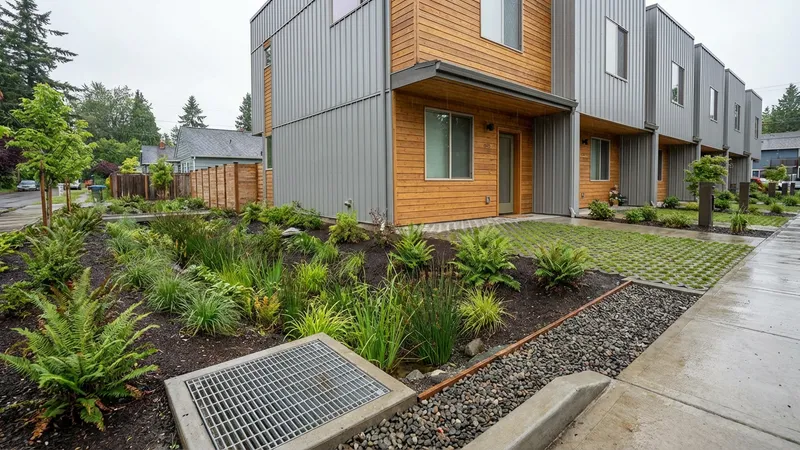
An integrated stormwater management system at a new multi-unit development, combining rain gardens, permeable surfaces, and engineered drainage.
Water Supply and Fire Flow
The civil engineer must confirm that adequate water supply is available for both domestic use and fire suppression. Fire flow calculations determine whether the existing water main can deliver sufficient flow at adequate pressure for firefighting.
If it can't, the municipality may require a water main upgrade or the installation of on-site fire suppression systems (sprinklers). Both options affect project cost and feasibility.
Road and Access Design
New lots created through subdivision require legal road access. The civil engineer designs new roads or upgrades existing roads to meet municipal standards for width, grade, sight lines, and pedestrian access.
Even for infill development on existing lots, the municipality may require driveway modifications, sight line improvements, or pedestrian pathway connections.
Development Cost Charges (DCCs)
Every municipality in BC sets its own Development Cost Charges — fees that developers pay to fund infrastructure improvements needed to serve growth. DCCs vary dramatically between municipalities and can significantly affect project feasibility. They typically cover water, sewer, drainage, roads, and parks infrastructure.
While the civil engineer doesn't set DCCs, they can help you understand the infrastructure context behind them. They can also identify whether your project triggers any exceptional servicing requirements that would add costs beyond standard DCCs.
Septic System Design for Rural Properties
Properties outside municipal sewer service — much of Sooke, Highlands, Metchosin, rural Central Saanich, and the Cowichan Valley — require on-site septic systems. The civil engineer or a registered onsite wastewater practitioner designs the system based on percolation test results, soil conditions, lot size, and the proposed number of dwelling units.
Septic system feasibility can be a make-or-break factor for rural development. Some soils simply cannot support the number of units proposed, and lot size constraints may limit system capacity. Confirming septic feasibility before investing in other consultants is essential for rural properties.
Off-Site Works and Municipal Requirements
Municipalities may require developers to complete off-site improvements as a condition of development approval. These "works and services" requirements can include road widening, sidewalk construction, utility relocations, streetlight installation, and infrastructure upgrades. The civil engineer designs these improvements and the developer funds and constructs them.
Off-site works can be a significant surprise cost. A subdivision that triggers a requirement to extend a sewer main 200 metres or widen a municipal road can add $50,000–$200,000+ to project costs. Early consultation with the municipality and the civil engineer helps identify these requirements before they become budget-breaking surprises.
Typical Costs on Vancouver Island
| Service Type | Typical Cost Range |
|---|---|
| Servicing feasibility assessment | $2,000–$5,000 |
| Full civil engineering design (subdivision) | $10,000–$25,000 |
| Stormwater management plan | $3,000–$8,000 |
| Septic system design | $5,000–$10,000 |
Civil engineering costs depend heavily on the complexity of servicing, municipal requirements, and whether off-site works are required. Construction costs for the infrastructure itself are separate from and typically much larger than the engineering design fees.
How to Choose a Civil Engineer
- Verify EGBC registration: Confirm P.Eng. registration through the EGBC registrant directory
- Municipal familiarity: Choose a firm experienced with your specific municipality's engineering standards, approval processes, and infrastructure constraints
- Full-service capability: The ideal firm handles water, sewer, stormwater, and road design, providing integrated solutions rather than piecemeal approaches
- Construction administration: The civil engineer should provide field review during servicing construction to verify the work meets their design and municipal standards
Check Your Property's Development Potential
Servicing feasibility is one of the first things to assess. Our free Development Potential Assessment helps identify infrastructure constraints on your Vancouver Island property.
Start Your AssessmentThe Complete Consultant Guide Series
- Overview: Building Your Development Team
- Part 1: BC Land Surveyor (BCLS)
- Part 2: Certified Arborist
- Part 3: Geotechnical Engineer
- Part 4: Building Architect (AIBC)
- Part 5: Structural Engineer
- Part 6: Civil Engineer — You Are Here
- Part 7: Building Envelope Consultant + Energy Advisor
- Part 8: Landscape Architect (BCSLA)
- Part 9: Environmental Consultant (QEP)
- Part 10: Traffic Engineer
Disclaimer: This article provides general information about civil engineering for development in BC as of February 2026. Municipal requirements and infrastructure capacity vary significantly. Always confirm specific servicing requirements with your local engineering department and engage a registered Professional Engineer. This is not legal or professional advice.